

Why Personal Development Coach Training Opens Doors to Meaningful Career Change
Personal development coach training provides the structured education and certification needed to guide others through transformative life changes while building a fulfilling career. With the global personal development market valued at $44 billion in 2022 and projected to reach $67.02 billion by 2030, coaching has become one of the fastest-growing professions for people seeking meaningful work.
Quick Path to Personal Development Coach Certification:
- Choose your specialization (confidence, mindset, wellness, career transitions)
- Enroll in accredited training ($200-$13,000 investment, 3-12 months duration)
- Complete core curriculum (60-320 ICF-approved hours)
- Gain practical experience (coaching practice with real clients)
- Obtain mentor coaching (feedback from experienced coaches)
- Pass certification exam (if pursuing formal credentials)
- Launch your practice (average income $61,900, experienced coaches earn $150+/hour)
Unlike traditional therapy that focuses on past experiences, personal development coaching is future-oriented and goal-driven. Coaches help clients identify obstacles, create action plans, and maintain accountability for lasting change. Research shows that 80% of coaching clients report improved self-esteem and confidence, with many seeing noticeable results within just a few months.
The coaching profession attracts people from all backgrounds – former teachers, corporate professionals, healthcare workers, and career changers who want to make a direct impact on others’ lives. “You have to believe it’s possible and possible for you, not just for other people,” as one successful coach shared about the mindset shift required for this work.

Personal development coach training vocabulary:
– Career development coaching
– Certified life coach training
– Women empowerment training
What Is Personal Development Coaching?
Personal development coaching is like having a skilled partner who walks alongside you on your journey to becoming your best self. Unlike a friend who might just listen or a family member who gives advice based on their own experiences, a personal development coach brings professional training and proven techniques to help you create real, lasting change.
At its heart, coaching is about helping people find what they truly want and then figuring out how to get there. As one expert beautifully puts it, “A personal development coach helps clients identify specific life or career goals, define steps to achieve them, and create an action plan while identifying strengths, weaknesses, and obstacles.”
What makes coaching so powerful is that coaches don’t give you the answers – they help you find them yourself. Through skillful questioning and deep listening, coaches guide you to uncover insights and solutions that already exist within you. This approach creates changes that stick because they come from your own wisdom and understanding.
The results speak for themselves. Research shows that 80% of people who work with coaches report improved self-esteem and confidence. The Bureau of Labor Statistics notes that life coach practitioners earn an average of $61,900 annually, with experienced coaches charging $150 and above per hour – reflecting the real value this profession brings to people’s lives.
Coaching vs Therapy vs Mentoring
If you’re considering personal development coach training, understanding how coaching differs from therapy and mentoring will help you serve your future clients better.
Coaching is future-focused and goal-driven. When you work with a coaching client, you’re helping them envision where they want to go and create a roadmap to get there. The emphasis is always on moving forward and taking action. As one training program explains, “Coaching is not counseling, consulting or therapy—it is future-oriented and goal-driven.”
Therapy looks backward to heal forward. Therapists are trained to help people process past experiences, heal from trauma, and address mental health concerns. They analyze how past events shape current behaviors and provide treatment for psychological disorders.
Mentoring shares wisdom from experience. Mentors typically offer advice and guidance based on their own journey in a specific field. They share what worked for them and help mentees avoid common pitfalls.
Think of it this way: if someone is struggling with childhood trauma, they need therapy. If they want career advice from someone who’s been there, they need mentoring. But if they know what they want to achieve and need support creating a plan and staying accountable, coaching is the perfect fit.
Common Growth Areas Addressed
Personal development coaching touches every area of life because, let’s face it, everything is connected. When someone improves their confidence, it shows up in their relationships. When they get clearer on their career goals, their overall life satisfaction increases. Research shows that 37% of people seek personal development when they feel stuck, making coaching an invaluable resource.
Emotional intelligence is one of the most transformative areas coaches address. This involves helping clients understand their emotions, manage reactions, and communicate more effectively. Imagine helping someone who used to shut down during conflicts learn to express their needs clearly – that’s life-changing work.
Career planning takes up a huge portion of coaching conversations, and for good reason. Since we spend about one-third of our lives working, feeling fulfilled professionally impacts everything else. Coaches help clients clarify their career vision and create strategic steps to get there.
Health and wellness coaching goes deeper than just diet and exercise. Coaches help clients examine the thought patterns and beliefs that either support or sabotage their wellbeing. This might mean helping someone understand why they stress-eat or supporting them in creating sustainable self-care routines.
Mindfulness and spirituality coaching helps people develop greater self-awareness and connection to their values. This doesn’t mean coaches need to be spiritual teachers, but rather guides who help clients explore what gives their life meaning and purpose.
Interpersonal skills development transforms how people show up in relationships, both personal and professional. When someone learns to listen more deeply or communicate their boundaries clearly, it creates positive ripple effects throughout their entire life.
The beautiful thing about personal development coaching is that improvement in one area naturally supports growth in others. That’s what makes this work so rewarding for both coaches and clients.
Benefits & Impact of Personal Development Coaching
When you invest in personal development coach training, you’re stepping into a field that creates real, lasting change in people’s lives. The impact goes far beyond simple goal-setting conversations—coaching transforms how people see themselves and what they believe is possible.
What makes coaching so powerful is its highly personalized approach. Unlike reading a self-help book or attending a generic workshop, coaching creates a custom roadmap that fits each person’s unique situation. Every session builds on the client’s specific strengths, challenges, and dreams. This personal touch is why coaching works when other approaches haven’t.
The future-oriented focus of coaching helps people break free from old stories about what they can’t do. As many training programs emphasize, “Your past doesn’t define your future” in the coaching relationship. This mindset shift alone can be life-changing. Suddenly, clients start seeing possibilities they never noticed before.
Measurable results often show up surprisingly quickly. Many clients notice improvements in confidence, clarity, and momentum within just a few months. The accountability piece keeps people moving forward even when motivation dips. Having someone in your corner who believes in your success makes all the difference.
The numbers tell an encouraging story too. The demand for personal development services has increased by 35% since 2017. More people are finding that professional support can accelerate their growth in ways they never imagined.

Tangible Client Outcomes
The Scientific research on coaching outcomes shows that coaching delivers concrete improvements across multiple life areas. These aren’t just feel-good stories—they’re measurable changes that impact real lives.
Career advancement happens regularly for coaching clients. Promotions, salary increases, and better job satisfaction are common outcomes. HR professionals who became certified coaches often see their own careers take off too, with some certification programs boosting HR salaries by 28%. When you help others grow, your own opportunities expand.
Improved relationships naturally follow as clients develop stronger emotional intelligence and communication skills. They learn to handle conflicts without drama, express their needs clearly, and build deeper connections. Family dinners become more peaceful. Work meetings flow better. Dating gets easier and more authentic.
Health and wellness improvements often surprise clients because they weren’t the original focus. As people develop better self-care habits and stress management skills, their physical health improves too. The mind-body connection is real, and coaching addresses the whole person.
Increased confidence and self-esteem show up in 80% of coaching relationships according to research. This confidence boost ripples out into everything else. Clients speak up in meetings, try new things, and stop settling for less than they deserve.
Why Organizations Invest
Smart companies are finding that coaching culture creates engaged, high-performing teams. When organizations invest in their people’s growth, everyone wins.
Leadership development through coaching builds stronger leaders than traditional training alone. Each person gets personalized attention for their unique leadership style and growth areas. This individual approach develops leaders who are authentic and effective, not cookie-cutter copies.
Employee retention improves dramatically when companies offer coaching support. People feel valued when their employer invests in their personal growth. They’re more likely to stay, grow, and contribute their best work. It’s a win-win that smart HR departments are embracing.
Performance improvement happens naturally as employees develop better self-awareness and communication skills. Teams work more smoothly. Projects get completed with less stress. The positive energy spreads throughout the organization, creating a culture where people actually want to come to work.
Essential Skills, Competencies & Accreditation
Becoming an effective personal development coach requires mastering a unique blend of heart-centered skills and professional competencies. Think of it as learning to be part therapist, part cheerleader, and part strategic planner—all while maintaining clear boundaries and ethical standards.
The foundation of great coaching starts with active listening—and we mean really listening, not just waiting for your turn to talk. Successful coaches learn to hear what clients aren’t saying as much as what they are. This skill alone can transform someone’s entire coaching practice.
Powerful questioning represents another cornerstone skill. Instead of giving advice (which most of us love to do!), coaches learn to ask questions that help clients find their own answers. Questions like “What would success look like to you?” or “What’s one small step you could take today?” create those lightbulb moments that stick.
Ethics and boundaries might sound boring, but they’re absolutely crucial for protecting both coach and client. The International Coach Federation (ICF) Core Competencies provide a roadmap for maintaining professional standards while creating transformative coaching relationships.
Business acumen often surprises new coaches, but it’s essential for building a sustainable practice. This includes everything from setting rates to marketing your services to managing client relationships professionally.
Many coaches also develop niche expertise in areas like career transitions, wellness, or confidence building. This specialization helps coaches stand out in a crowded market while serving clients more effectively.
Mentor coaching provides ongoing support as new coaches develop their skills. Think of it as having a wise friend who’s walked the path before you, offering guidance when you hit those inevitable bumps along the way.
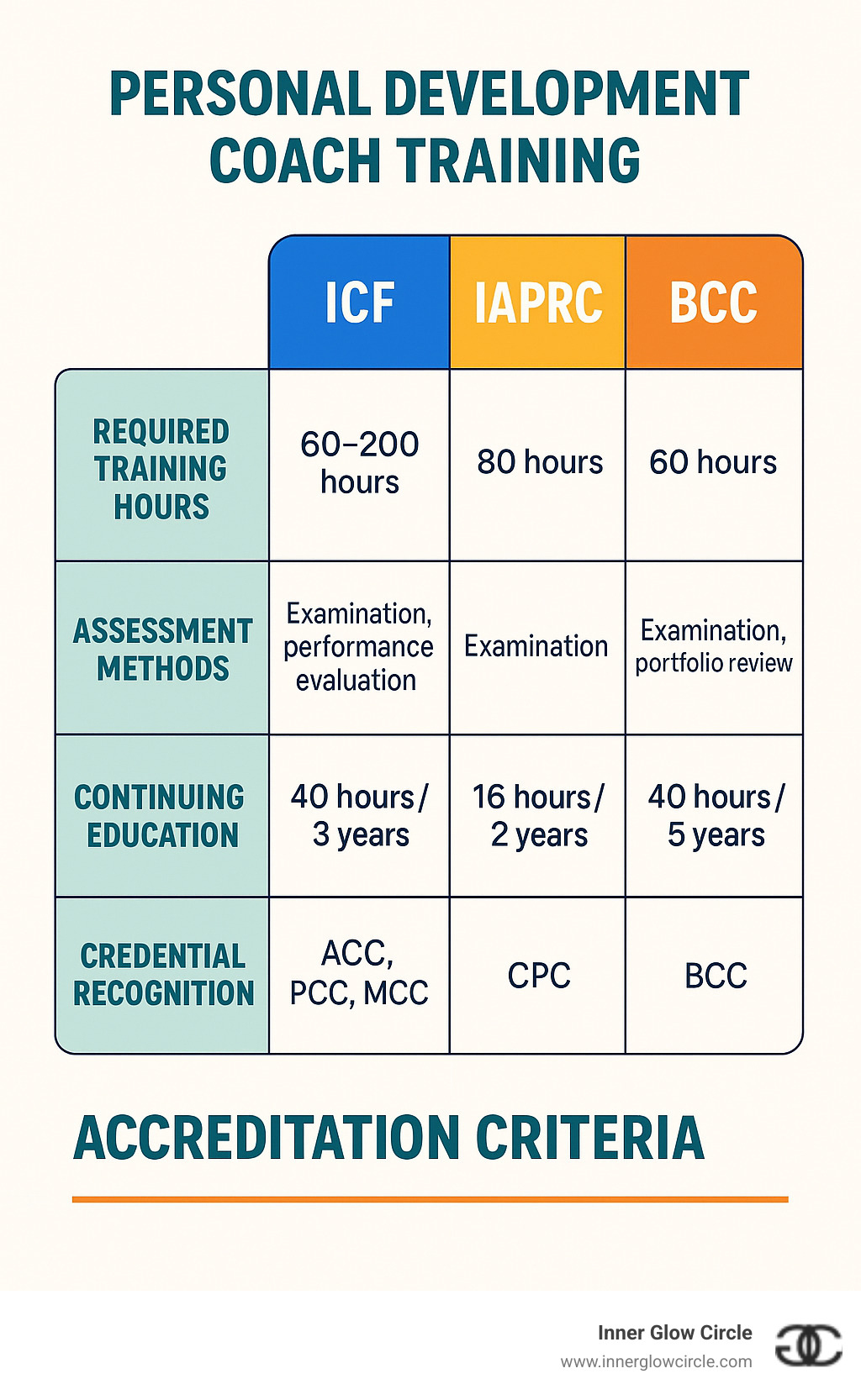
Leading Accreditation Bodies
Choosing the right accreditation can feel overwhelming, but understanding the main players makes the decision much clearer. Each organization brings something different to the table, so finding the right fit depends on your goals and coaching style.
The International Coach Federation (ICF) stands as the gold standard in coaching accreditation worldwide. When someone mentions ICF credentials, it’s like showing a professional passport that’s recognized everywhere. The ICF offers three credential tiers: Associate Certified Coach (ACC), Professional Certified Coach (PCC), and Master Certified Coach (MCC). Each level requires more training hours and coaching experience, creating a clear path for professional growth.
The International Association of Professional Recovery Coaches (IAPRC) specializes in accreditation for coaches working in recovery and wellness contexts. If you’re drawn to helping people overcome addiction or mental health challenges, this accreditation provides specialized training and recognition.
The Board Certified Coach (BCC) credential offers another pathway to professional recognition, with its own specific requirements for education and examination. Some coaches pursue multiple credentials to broaden their expertise and market appeal.
Credibility boost represents one of the biggest benefits of accreditation. Clients feel more confident working with accredited coaches, and many organizations require credentials when hiring coaching services. The Ignite Social Progress foundation supports coach development through various initiatives that strengthen the entire profession.
Building Core Coaching Skills
Developing coaching skills happens through a beautiful combination of learning and doing. Most quality personal development coach training programs weave together theory and practice so students can immediately apply what they’re learning.
Practice hours form the heart of skill development. ICF-accredited programs typically require between 100-500 hours of actual coaching practice, depending on the credential level. This might sound intimidating, but most coaches find they love the practice sessions—it’s where the magic really happens.
Peer feedback creates a supportive learning environment where coaches-in-training can practice with each other. There’s something special about learning alongside other people who share your passion for helping others grow. These relationships often turn into lifelong professional friendships.
Supervision provides the safety net every new coach needs. Having an experienced coach review your work and offer guidance helps build confidence while ensuring you’re serving clients effectively. It’s like having training wheels that gradually come off as your skills strengthen.
The beauty of coaching skill development is that it’s never really finished. Even master coaches continue learning and growing, which keeps the work fresh and exciting year after year.
Personal Development Coach Training: Step-by-Step Path
Starting your journey as a certified personal development coach feels exciting and maybe a little overwhelming at first. Don’t worry – thousands of women have walked this path before you, and the route is well-mapped. Personal development coach training follows a clear progression that builds your skills step by step, from learning the basics to launching your own practice.
Most programs begin with the fundamentals – what coaching actually is, how it differs from therapy or mentoring, and the ethical guidelines that keep everyone safe. You’ll learn the core skills like active listening and asking powerful questions that help clients find their own answers. Think of it like learning to drive – you start with the basics before hitting the highway.
The certification roadmap typically takes 3 to 18 months depending on how deep you want to go. Intensive weekend programs offer 33 ICF contact hours and get you started quickly. Comprehensive programs with 320+ training hours prepare you for advanced credentials and specialized practice areas. It’s like choosing between a quick cooking class or culinary school – both have their place.
Training costs range from $200 to $13,000, which might seem like a big spread. The difference usually comes down to program depth, instructor expertise, and ongoing support. Many providers offer payment plans because they know this investment can feel significant upfront. The good news? Most coaches earn back their training costs within their first year of practice.
You’ll have choices between online and hybrid formats. Online programs give you flexibility to learn around your current schedule – perfect if you’re juggling family or work commitments. Hybrid programs combine virtual learning with in-person intensives, which some people love for the hands-on practice and community building.
For comprehensive training options that support women specifically, you can explore More info about Life Coach Training to see how different programs structure their curriculum and create supportive learning environments.
Selecting the Right Program
Choosing your personal development coach training program is like finding the right mentor – it needs to feel like a good fit for who you are and where you want to go. The “best” program isn’t necessarily the most expensive or prestigious one. It’s the one that matches your learning style, goals, and life circumstances.
Your learning style matters more than you might think. Some people thrive with self-paced online modules they can tackle at midnight after the kids are asleep. Others need the energy and accountability of live group sessions. If you’re someone who learns by doing, look for programs with lots of practice opportunities. If you prefer to understand the theory first, seek out programs with comprehensive reading materials and detailed explanations.
Budget planning goes beyond just tuition. Yes, you’ll pay for the program itself, but don’t forget about exam fees, study materials, and membership dues. Some programs bundle everything together, while others charge separately. Many offer payment plans that break costs into manageable monthly amounts. This is an investment in your future earning potential – experienced coaches often charge $150+ per hour.
Specialization alignment helps you serve the clients you’re most passionate about. Some programs focus on executive coaching, others on wellness or life transitions. If you know you want to work with women going through major life changes, choose training that gives you tools for that specific population.
Accreditation status affects both program quality and your future opportunities. ICF-accredited programs meet international standards and prepare you for professional credentials that clients recognize and trust. It’s like the difference between a diploma from an accredited university versus an online certificate – both have value, but one opens more doors.
The support systems often matter more than the initial training content. Look for programs offering mentor coaching, alumni networks, and business development resources. These connections and ongoing support frequently determine who succeeds long-term in coaching.
For specialized certification paths designed with women’s unique needs in mind, review More info about Certified Life Coach Training to understand how different programs structure their credentialing process.
What Does Personal Development Coach Training Include?
Personal development coach training programs pack a lot into their curriculum, but good programs organize everything so it builds naturally from one concept to the next. Think of it like learning a new language – you start with basic vocabulary before tackling complex conversations.
Core curriculum modules cover the essentials every coach needs to know. You’ll learn coaching fundamentals, ethical guidelines, and communication skills that form your foundation. Then you’ll dive into goal-setting techniques, client relationship management, and how to structure effective sessions. Advanced modules might explore emotional intelligence, mindfulness practices, or business development strategies. Most programs break this into digestible chunks that don’t overwhelm you.
Self-study requirements give you time to absorb and practice what you’re learning. ICF-accredited programs typically require 33 to 100+ hours of independent work, including reading assignments, video modules, and written exercises. This isn’t busy work – it’s your chance to process concepts at your own pace and connect them to your personal experiences.
Live instruction brings everything together through real-time interaction with instructors and fellow students. Whether in-person or virtual, these sessions let you ask questions, get immediate feedback, and practice coaching techniques in a safe environment. Role-playing exercises and peer coaching help you build confidence before working with real clients.
Coaching practice logs document your hands-on experience with volunteer clients or fellow trainees. These sessions help you apply what you’re learning and identify areas where you need more practice. Most programs require 20 to 100+ hours of documented coaching practice – it sounds like a lot, but you’ll be amazed how quickly these hours add up when you’re enjoying the work.
Assessment and evaluation components ensure you’ve mastered the required skills before certification. This might include written exams, practical coaching demonstrations, or portfolio submissions. Don’t let this part stress you out – if you’ve done the work throughout the program, these assessments usually feel like a natural culmination of your learning.

Practical Experience & Ongoing Support
The real magic happens when you start coaching actual people. Quality training programs know that reading about coaching and actually doing it are completely different experiences. That’s why the best programs emphasize practical application and create support systems that extend far beyond your initial certification.
Peer practice sessions create a safe space to develop your skills with fellow students who understand exactly what you’re going through. These structured coaching conversations include feedback from observers or instructors, helping you see blind spots and celebrate breakthroughs. There’s something special about practicing with people on the same journey – you encourage each other and learn from different approaches to similar challenges.
Mentor coaching pairs you with an experienced practitioner who becomes your personal guide. Mentor coaches observe your actual sessions (with client permission) or review recordings to offer specific suggestions for improvement. This individualized feedback accelerates your skill development and helps you align your practice with professional standards. It’s like having a wise older sister in the coaching world who’s got your back.
Alumni networks connect you with a community of practicing coaches who share resources, referrals, and ongoing learning opportunities. These networks often become some of your most valuable professional relationships. Fellow graduates understand the unique challenges of building a coaching practice and celebrate your successes along the way.
Continuing education resources help you stay current with evolving best practices and expand into new specialty areas. The coaching field keeps growing and changing, so ongoing learning keeps you sharp and confident. Many training organizations offer advanced workshops, specialty certifications, and refresher courses that support your professional development.
Business development support addresses the practical side of building your practice – marketing strategies, client acquisition, pricing guidance, and administrative systems. Since many coaches work independently, these business skills often determine success as much as coaching ability. The best programs teach you both how to coach and how to build a sustainable practice.
For ongoing development opportunities that specifically support women coaches, explore More info about mentor coaching to understand how continued supervision supports your professional growth and confidence.
Costs & Financing Options
Let’s talk about money – because we know that’s often the biggest question when you’re considering personal development coach training. The investment varies quite a bit, but understanding your options helps you make a decision that works for your budget and goals.
Tuition ranges span from $200 for basic online courses to $13,395 for comprehensive ICF-accredited programs with 320+ training hours. Most quality programs fall somewhere in the middle, typically costing $1,295 to $4,339. The price usually reflects program depth, instructor expertise, and ongoing support services. Think of it like buying a car – you can get basic transportation or a luxury model, and both will get you where you’re going.
Additional costs include examination fees ($300 to $500), study materials, ICF membership dues, and potential travel expenses for in-person components. Some programs bundle these into package deals, while others charge separately. Ask upfront about all potential costs so you can budget accurately.
Payment plans make training accessible by spreading costs over several months. Many providers offer interest-free installment options that let you start training immediately while managing your cash flow. Early-bird discounts and seasonal promotions can provide significant savings if you have flexibility in your timing.
Scholarships and financial assistance help qualified candidates access training despite financial constraints. Some organizations offer need-based scholarships, while others provide reduced rates for specific groups like veterans, students, or career changers. Don’t assume you won’t qualify – it never hurts to ask.
Return on investment looks pretty attractive when you consider the numbers. With average coach incomes around $61,900 and experienced coaches earning $150+ per hour, quality training often pays for itself within the first year of practice. More importantly, you’re investing in a career that offers flexibility, fulfillment, and the chance to make a real difference in people’s lives.
Career Prospects, Earnings & Challenges
The coaching profession opens doors to a world where meaningful work meets financial opportunity, though like any worthwhile career, it comes with its own unique landscape of possibilities and problems. For women considering personal development coach training, understanding both the bright prospects and real challenges helps create a foundation for long-term success.
Income potential in coaching varies dramatically based on your experience, specialization, and how well you develop your business skills. The Bureau of Labor Statistics shows that life coach practitioners earn an average annual income of about $61,900, while typical coaching sessions average $31.45 per hour. But here’s where it gets exciting – experienced coaches with established practices often charge $150 and above per hour, with some specialists commanding premium rates that reflect their expertise and results.
The beauty of coaching lies in its career flexibility. You’re not locked into one path. Some coaches build thriving independent practices, others join established coaching firms, and many integrate their coaching skills into existing careers. Teachers become more effective educators, managers become inspiring leaders, and consultants deepen their impact – all by adding coaching tools to their professional toolkit.
Market demand continues its upward climb as more people recognize coaching’s value. The 35% increase in demand for personal development services since 2017 isn’t just a trend – it’s a reflection of our growing understanding that personal growth accelerates professional success. This momentum creates sustainable opportunities for coaches who are ready to serve.
Entrepreneurial opportunities in coaching require minimal startup costs compared to most businesses. You can literally start from your kitchen table with a laptop and phone. This accessibility makes coaching particularly attractive for women seeking career flexibility, parents wanting to work around family schedules, or professionals ready to take control of their work environment.
Corporate integration offers another exciting avenue as organizations increasingly value coaching skills for leadership development and employee engagement. Companies are finding that coaching-trained managers create more engaged teams, leading to opportunities for internal coaches, coaching consultants, and leadership development specialists.
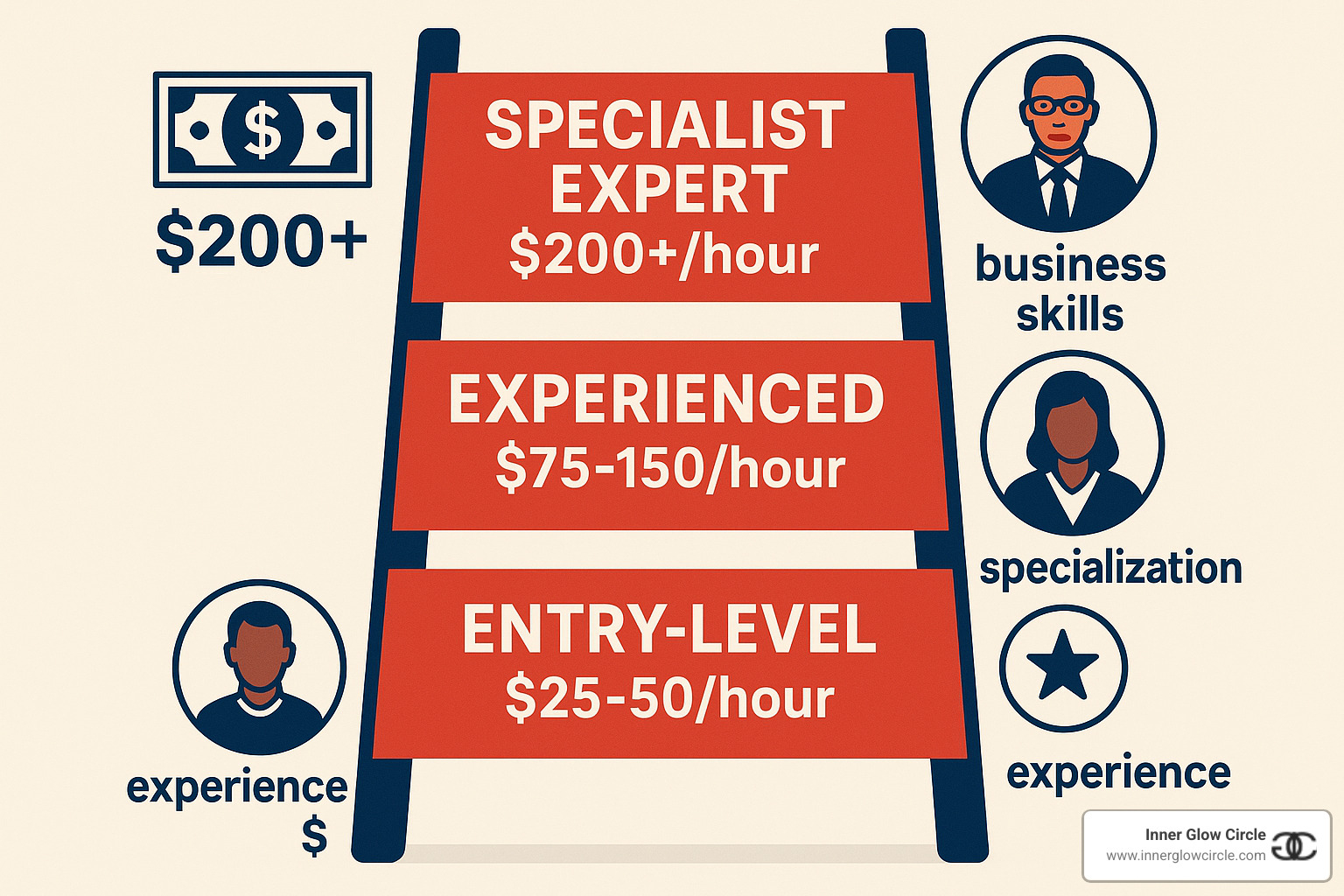
Unique Rewards & Challenges
Personal development coaching delivers professional rewards that touch your soul while presenting challenges that help you grow. Understanding both sides helps you prepare for a career that’s as demanding as it is fulfilling.
Meaningful impact stands as coaching’s greatest reward. You’ll witness clients overcome fears that have held them back for years, achieve goals they thought were impossible, and transform their entire relationship with themselves. As one coach beautifully expressed, “The power of coaching to help people improve and transform their lives is incredible!” This direct contribution to human flourishing provides the kind of professional satisfaction that makes Monday mornings feel like opportunities rather than obligations.
Professional autonomy means you design your own practice, choose clients who energize you, and create work schedules that honor your personal values and lifestyle needs. No more asking permission for time off or fitting your life around someone else’s priorities. This freedom particularly appeals to women who want alternatives to traditional employment structures that often don’t accommodate life’s complexities.
Continuous learning keeps your mind engaged as each client brings fresh challenges and growth opportunities. You’ll develop expertise across diverse life areas while deepening your understanding of what motivates people and how lasting change really happens. It’s like getting paid to explore the fascinating world of human potential.
But let’s be honest about the challenges too. Client acquisition requires you to step outside your comfort zone and develop marketing skills that might feel unfamiliar at first. Unlike traditional jobs where work comes to you, independent coaches must consistently attract and retain clients through networking, marketing, and building referral relationships. The good news? These skills become easier with practice and proper training.
Income variability can create stress, especially during your first year or two of practice development. Building a sustainable coaching practice typically takes 1-3 years, which means having financial cushion and patience during the growth phase. Many successful coaches start part-time while maintaining other income sources until their practice stabilizes.
Boundary management becomes crucial as you steer the intimate nature of coaching relationships while maintaining professional standards. Learning to provide deep support without becoming personally invested in client outcomes requires skill and experience that develops over time.
Regulatory ambiguity exists because coaching remains largely unregulated in most places. While this provides professional freedom, it also means you must carefully steer questions about standards and scope of practice. Quality training programs help you understand these boundaries and operate ethically within them.
Frequently Asked Questions about Personal Development Coach Training
How long does Personal development coach training take?
The time it takes to complete personal development coach training depends on your goals and how you prefer to learn. If you’re looking for a quick introduction to coaching skills, some intensive programs can be finished in just 3 days. These crash courses give you 33 ICF contact hours and cover the basics—perfect if you want to add coaching techniques to your current job.
Most people choose more comprehensive programs that take anywhere from 3 to 12 months to complete. These programs include 60 to 320 training hours, depending on which certification level you’re aiming for. If you want to become an ICF Associate Certified Coach (ACC), you’ll need at least 60 hours of training. For the Professional Certified Coach (PCC) level, you’re looking at 125+ hours.
The beauty of many programs is their flexibility. Online courses let you learn at your own pace over several months or even a full year. This works wonderfully for busy professionals who need to fit training around work and family commitments. Hybrid programs with live sessions usually follow a set schedule, but they give you that valuable face-to-face interaction.
Don’t forget about the hands-on practice component! Most programs require 20 to 100+ hours of actual coaching with real people. The good news is this usually happens alongside your formal training, not after it. So you’re learning and practicing at the same time, which actually helps everything sink in better.
Do I need accreditation to coach?
Here’s something that surprises many people: you don’t legally need any accreditation to call yourself a coach. Coaching isn’t regulated like psychology or medicine, so technically, anyone can hang out a coaching shingle tomorrow.
But here’s the thing—just because you can doesn’t mean you should. Accreditation makes a huge difference in how clients see you and how successful your practice becomes. When potential clients are choosing between coaches, they almost always pick the one with proper credentials. It’s like choosing between a restaurant with health department ratings displayed and one without—which would you trust?
Professional credibility shoots up dramatically when you have recognized credentials. Clients feel more confident investing in your services, and you can often charge higher rates. Plus, you’ll actually know what you’re doing, which is pretty important when you’re helping people steer major life changes.
Many corporate opportunities specifically require credentialed coaches. If you want to work with companies or organizations, having proper certification often isn’t optional—it’s mandatory. The same goes for professional liability insurance, which many providers offer better coverage for accredited coaches.
The ethical guidelines and professional standards that come with accreditation also protect both you and your clients. As one expert wisely noted, “clients care more about results than credentials,” but accreditation gives you the framework to actually deliver those results consistently and safely.
What support is available after certification?
Getting certified is just the beginning of your coaching journey, and the best training programs understand this completely. The support you receive after certification often matters more than the initial training itself—it’s what separates coaches who thrive from those who struggle.
Alumni networks become your professional lifeline. These communities of fellow coaches share resources, send referrals your way, and provide encouragement when you’re facing challenges. Many coaches say their alumni network became their most valuable business asset. It’s like having a professional family that truly understands what you’re going through.
Continuing education keeps your skills sharp and your certification current. Quality training organizations offer advanced workshops, specialty certifications, and refresher courses exclusively for their graduates. This ongoing learning helps you expand into new areas and stay current with the latest coaching research and techniques.
Mentor coaching provides the personalized feedback that accelerates your growth as a coach. Experienced coaches observe your sessions (with client permission, of course) and offer specific suggestions for improvement. This individualized support helps you develop confidence and align your practice with professional standards.
Business development resources address the practical side of building your practice. Let’s face it—being a great coach and running a successful coaching business require different skills. Good programs help with marketing strategies, client acquisition, pricing guidance, and all those administrative details that can feel overwhelming at first.
Many programs also provide lifetime access to course materials and updates, so you can refresh your knowledge whenever needed. Some even offer access to professional liability insurance through group rates, which helps protect your practice while saving money.
For comprehensive ongoing support that extends well beyond certification, explore More info about mentor coaching programs to see how continued development can transform your coaching effectiveness and business success.
Conclusion
Personal development coach training represents more than just career education—it’s a gateway to creating the kind of work that lights you up from the inside. When you consider that the coaching industry continues growing while offering average earnings of $61,900 annually, you’re looking at a profession that combines financial stability with the deep satisfaction of helping others transform their lives.
The journey from curious beginner to confident coach isn’t always easy, but it’s incredibly rewarding. You’ll invest time, energy, and money into your training. You’ll practice new skills that might feel awkward at first. You’ll push through moments of doubt about whether you’re “coach material.” But here’s what happens on the other side: you find that you are capable of guiding others through their biggest challenges and celebrating their victories alongside them.
What makes this path especially meaningful is how it changes you while you’re learning to help others. The communication skills, emotional intelligence, and goal-setting strategies you master don’t just make you a better coach—they transform how you show up in every area of your own life.
At Inner Glow Circle, we’ve designed our training specifically for women who want more than just a certification. We understand that you need confidence-building support, practical business skills, and a community that believes in your potential even when you’re still finding your footing. Our approach recognizes that women often bring unique strengths to coaching while sometimes needing extra encouragement to fully own their expertise.
The world needs more skilled coaches who can create safe spaces for growth and change. If you’ve felt that tug toward helping others while building something meaningful for yourself, personal development coach training can turn that feeling into a thriving reality.
Your future clients are out there right now, struggling with the same challenges you’ve overcome or working toward goals you could help them achieve. The question isn’t whether you’re needed—it’s whether you’re ready to step into that role.
For comprehensive support throughout your coaching journey, explore More info about mentor coaching programs to see how ongoing guidance can accelerate your success and confidence as a professional coach.


