

Why Online Coach Training Matters for Your Coaching Journey
Online coach training has transformed how aspiring coaches can build the skills and credentials needed for a meaningful career. Digital learning platforms now offer flexible, accessible pathways to certification, removing the constraints of traditional in-person programs.
Quick Answer: Finding the Right Online Coach Training Program
When searching for online coach training, focus on these key factors:
- Accreditation – Look for programs recognized by a major body like the International Coach Federation (ICF).
- Program Duration – Options range from short intensives to comprehensive 6-8 month certifications.
- Investment – Costs vary, with foundational courses starting in the hundreds and full certifications in the thousands.
- Specialization – Choose programs aligned with your niche, such as life, executive, or health coaching.
- Community Support – Seek programs offering strong alumni networks and ongoing mentorship.
The coaching industry is booming, with growing demand for mental well-being support. Online programs offer the flexibility to learn at your own pace while building a global network. With life coach salaries in some areas ranging from $75,000 to $137,000 annually, and studies showing that coaching skills boost earning potential, now is an ideal time to pursue certification.
However, choosing the right program can be challenging. This guide walks you through everything you need to know about online coach training—from understanding accreditation and costs to developing core coaching competencies and launching your practice. You’ll learn how to evaluate programs and turn your passion for helping others into a thriving coaching business.

The Rise of Online Coach Training: Why Go Digital?
Gone are the days of rigid classroom schedules. Online coach training has revolutionized how women can build coaching careers while honoring their existing commitments. This shift to digital learning makes professional certification accessible, whether you’re juggling a job, family, or live far from training centers.
This flexibility means you can attend a live session on your lunch break or complete coursework after the kids are in bed. Professional development can now fit naturally into your life.
Beyond flexibility, you connect with a global community of coaches, bringing diverse perspectives to every discussion. Imagine the richness of those connections. The cost-effectiveness is also a major benefit. By eliminating travel and accommodation expenses, online programs become significantly more accessible. You’re investing in your education, not logistics.
Contrary to what some believe, online learning isn’t isolating. Modern platforms create vibrant, interactive communities where you’ll form genuine friendships and professional relationships.
Here’s a quick comparison:
| Feature | Online Coach Training | In-Person Coach Training |
|---|---|---|
| Flexibility | High (self-paced, access from anywhere, anytime) | Low (fixed schedules, specific location) |
| Cost | Potentially lower (reduces travel, accommodation costs) | Potentially higher (includes travel, accommodation) |
| Networking | Global (connects with diverse international peers) | Local/Regional (primarily connects with local peers) |
| Learning Style | Diverse (asynchronous, interactive, digital resources) | Traditional (classroom-based, direct instruction) |
Digital learning doesn’t just replicate the classroom—it improves upon it.
How Technology Improves the Learning Experience
Modern online coach training is far from the stereotype of watching boring, pre-recorded videos. Today’s technology creates engaging, interactive, and supportive learning experiences.
- Live video sessions bring the energy of a classroom to your screen for real-time discussions, Q&A, and coaching demonstrations.
- Interactive modules with quizzes, exercises, and case studies keep you engaged and help you apply concepts to real-world scenarios.
- Peer practice pods provide a safe space to coach and be coached, turning theory into skill and building confidence.
- Experienced mentors offer personalized guidance through online platforms, helping you steer your training and emerging practice.
- Asynchronous learning components, like on-demand video lessons and discussion forums, give you the freedom to learn at your own pace.
This blend of live connection and flexible access offers the best of both worlds: the support of a community combined with the freedom to structure your education around your life.
Navigating the World of Online Coach Training Programs
Choosing the right online coach training program is a significant investment in your future. It’s about finding a program that truly fits your goals, budget, and learning style. This guide will help you explore what makes a program credible, what to expect financially, and how to find your perfect match.

The Gold Standard: Understanding Accreditation
Not all coaching certifications are created equal. Accreditation is your safety net, ensuring a program meets rigorous standards for quality, ethics, and curriculum. Without it, your certificate may not carry much weight in the professional world.
The International Coach Federation (ICF) is widely considered the gold standard in coaching. An ICF-accredited program ensures you’re learning credible, professional skills that clients and employers respect. These programs are built on a foundation of core competencies and ethical standards, and the certification is recognized internationally. This ethical training is crucial for building client trust, covering confidentiality, professional boundaries, and more.
Other accreditation bodies exist for specific niches, such as fitness and wellness. If you’re focusing on a specialty, check for relevant accreditations in that field. Always verify a program’s accreditation status directly with the accrediting body to ensure your certification will be valued.
Investing in Your Future: Costs and ROI of Online Coach Training
Understanding the financial side of online coach training is key to making an informed decision. Program costs vary widely, from foundational courses starting in the hundreds of dollars to comprehensive certification pathways costing several thousand.
Many institutions offer flexible payment plans to make training more accessible. Tuition typically includes course content, digital resources, and sometimes business-building templates.
Now for the exciting part—the return on investment. The coaching industry is booming, and the earning potential is impressive. Life coach salaries in California, for example, can range from $75,000 to $137,000 annually. Studies also show that professionals who add coaching skills to their toolkit, such as in HR, often see promotions and salary increases. Some data shows a 28% increase in salary potential.
Beyond money, online coach training equips you with business skills to launch your own practice, offering you freedom and alignment with your values. With a growing demand for qualified coaches, the upfront cost is a powerful investment in your future.
Finding Your Perfect Fit: How to Choose a Program
Choosing the right online coach training program is a personal decision. What works for someone else might not be right for you.
Start by considering these factors:
- Program Focus and Niche: Are you drawn to life coaching, executive coaching, or a specific specialty? Some programs are general, while others dive deep into niches like parent coaching or team coaching.
- Accreditation and Recognition: As discussed, ICF accreditation is crucial for global recognition. For niches like fitness, check for relevant approvals.
- Community and Support: Do you thrive with connection? Look for programs with strong alumni networks, peer practice groups, and ongoing mentorship.
- Training Duration and Format: Do you prefer a quick intensive or a 6-8 month program for deeper integration? Ensure the hours align with any credentialing goals you have.
- Learning Style: Does the program’s mix of video lessons, live sessions, and practical assignments match how you learn best?
- Instructor Credentials: Who will be teaching you? Do their experience and coaching philosophies resonate with your values?
- Costs and Payment Options: Understand what’s included in the tuition and ask about payment plans.
By thoughtfully evaluating these factors, you’ll find a program that empowers you to achieve your coaching dreams.
What You’ll Learn: Core Skills and Certifications
Starting on your online coach training journey is a transformative process that will reshape how you connect, listen, and guide people toward their own breakthroughs. The skills you develop are not just professional tools; they become part of who you are, rippling out into every area of your life.
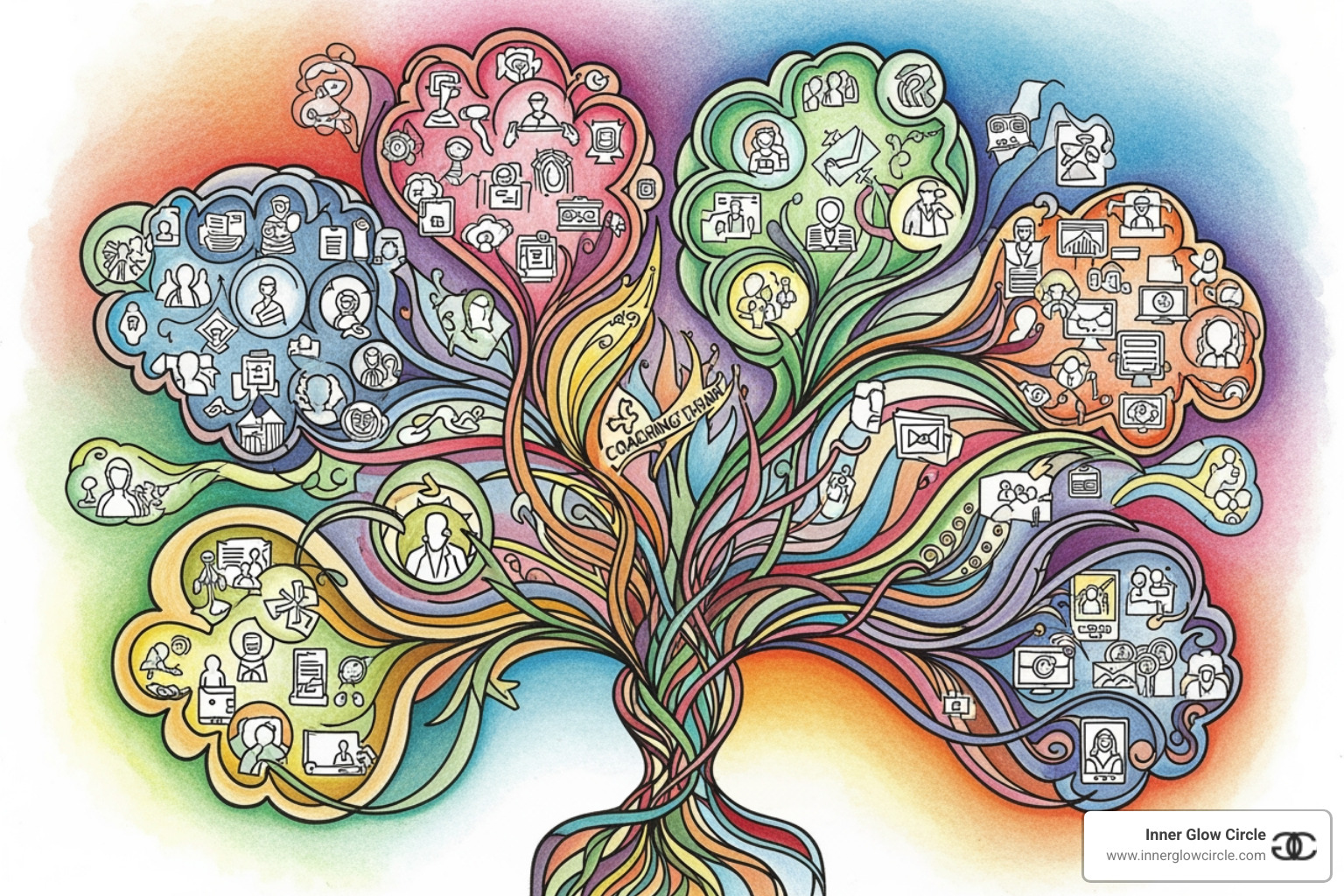
Essential Competencies for Effective Coaching
These foundational skills transform a conversation into a coaching session and turn good intentions into real change.
- Active Listening: This is about being fully present, hearing not just the words but the emotions and energy behind them. It’s about hearing what isn’t being said.
- Powerful Questioning: Instead of giving advice, you’ll learn to ask open-ended questions that spark “aha!” moments and help clients find their own wisdom.
- Building Trust and Rapport: You’ll learn to create a safe, confidential, and non-judgmental space where clients feel comfortable being vulnerable.
- Goal Setting and Action Planning: Master frameworks to help clients turn vague wishes into clear visions with concrete, manageable steps.
- Accountability: Support clients in keeping their commitments without shame or pressure, helping them develop self-accountability.
- Ethical Practice: Learn to honor client trust by maintaining confidentiality, understanding professional boundaries, and always acting in your client’s best interest. The ICF Code of Ethics is a key guide.
- Creating Awareness: Develop the ability to help clients see their situations from new perspectives and recognize hidden patterns and possibilities.
- Emotional Intelligence: Deepen your ability to recognize and steer emotions—both your own and your clients’—to understand how feelings drive behavior.
These competencies work together to create a transformative experience, guiding someone from where they are to where they want to be.
Types of Certifications from an Online Coach Training
The world of coaching certifications is diverse, offering pathways for nearly every calling. While many online coach training programs begin with a foundational credential like Certified Professional Coach or Certified Life Coach, you can specialize in ways that align with your passion.
- Life Coach Certification: This foundational training equips you with core skills to help people in all areas of life, from relationships and careers to personal growth and confidence.
- Executive Coaching: This specialization focuses on developing leaders and professionals within organizations, working on skills like strategic thinking and team dynamics. It can be particularly lucrative, as businesses are hungry for coaches who can develop internal talent.
- Health and Wellness Coaching: This popular niche allows you to support clients in achieving their fitness, nutrition, and stress management goals.
- Relationship Coaching: Help individuals and couples improve communication, steer conflict, and build deeper connections.
- Career Coaching: Guide clients through professional transitions, job searches, and skill development in a rapidly changing job market.
Beyond these, you can find specializations in academic coaching, finance, spirituality, and more. Choosing a niche helps you stand out, attract your ideal clients, and often allows you to charge premium rates for your expertise. The key is to choose a path that genuinely excites you.
From Student to Pro: Launching Your Coaching Career
Completing your online coach training is an incredible milestone, but your real journey is just beginning. It’s time to step into your power as a professional coach and start making the impact you’ve been dreaming of. While the transition might feel daunting, your training has prepared you for this moment.

Career Prospects and Earning Potential for Certified Coaches
The coaching profession is not just fulfilling—it can also be lucrative. Demand is surging, with the ICF observing a significant increase in workplace demand for mental well-being support. Organizations and individuals are recognizing that coaching leads to better outcomes.
Financially, the potential is strong. Life coach salaries in areas like California can range from $75,000 to $137,000 annually. Professionals in fields like HR who become certified coaches often experience more frequent promotions and pay increases, with some seeing a 28% rise in earning potential.
Your certification opens several career paths:
- Entrepreneurial Route: Build your own practice with one-on-one sessions, group programs, and online courses, offering maximum flexibility.
- Corporate Coaching: Work within organizations to support leadership development and employee engagement, often with a stable salary and benefits.
- Hybrid Approach: Integrate coaching into your existing profession—as a consultant, therapist, or educator—to increase your value.
As you gain experience, you can also explore thought leadership opportunities like writing, speaking, or training other coaches.
Building a Thriving Online Coaching Business
Building your own online coaching business is a rewarding path that offers incredible freedom. It requires strategy, but it allows you to create something uniquely yours.
- Define Your Niche: Specializing in a specific problem or type of person makes your marketing clear and your expertise undeniable. You become the obvious choice for your ideal client.
- Create Your Signature Offer: Design coaching packages that deliver real results. A clear service structure, pricing strategy, and message are essential.
- Build Your Online Presence: A professional website is your home base. Use social media to build community, share valuable content, and help potential clients get to know you.
- Use Content to Attract Clients: Sharing helpful articles, videos, or podcasts demonstrates your expertise and builds trust. Free resources can attract qualified prospects.
- Master Authentic Sales: When you believe in the change you provide, inviting people to work with you is an act of service. Learn to have genuine sales conversations.
- Focus on Client Experience: A smooth onboarding process and a focus on delivering exceptional results will lead to client retention and referrals, creating a sustainable business.
With the right training and a clear strategy, you can create a coaching practice that provides financial freedom and fills you with purpose.
Frequently Asked Questions about Online Coach Training
As you explore your online coach training options, it’s natural to have questions. Here are clear, honest answers to the most common ones.
What is the difference between a life coach and a therapist?
This is a crucial distinction. While both professions help people, they work in fundamentally different ways.
A life coach is future-focused. We help clients clarify their goals, identify obstacles, and create actionable strategies to move forward. Coaching is goal-oriented, partnering with clients to help them tap into their own wisdom and strengths. We ask powerful questions to spark insight, not provide diagnoses.
A therapist analyzes a client’s past to help them understand their current behavior and heal. Therapists are licensed healthcare professionals who can diagnose and treat mental health conditions like depression, anxiety, and trauma. A life coach’s ethical duty is to refer a client to a therapist if these issues arise.
In short, therapy often focuses on healing the past, while coaching focuses on building the future.
How long does it take to get certified online?
The timeline for online coach training varies, allowing you to find a program that fits your life. Program lengths can range from intensive weekend-style courses to more comprehensive programs that take 6 to 8 months to complete.
Many online programs also offer self-paced options, letting you complete coursework on your own schedule. The duration often depends on the hour requirements for accreditation. For example, ICF credentials require a specific number of training hours (e.g., 60+ hours for the first level). The right timeline depends on your learning style, schedule, and certification goals.
Do I need a certification to become a coach?
Technically, the coaching field is unregulated, so anyone can call themselves a coach. However, getting certified through a quality online coach training program is a critical investment in yourself and your future clients.
Certification accomplishes several key things:
- Builds Credibility and Trust: It shows potential clients you are a trained professional who is serious about your craft.
- Ensures Competence: You learn the foundational skills, core competencies, and ethical guidelines that make coaching effective and safe.
- Boosts Your Confidence: Completing a structured program gives you a solid foundation to launch your business with genuine confidence.
- Attracts Savvy Clients: People are increasingly seeking out certified coaches, especially those trained by accredited institutions.
While not legally required, certification is a hallmark of professionalism that will set you up for a successful and impactful coaching career.
Conclusion
Your journey into online coach training opens up a world of possibility. We’ve explored the landscape of digital coaching education—from the flexibility and global connections it offers to the essential skills you’ll develop and the thriving career that awaits.
You’ve learned the importance of accreditation, how to evaluate program costs against the impressive earning potential, and what it takes to build a successful practice. The core competencies of coaching—active listening, powerful questioning, building trust—are the foundations that will transform not just your clients’ lives, but your own.
The world genuinely needs more compassionate, skilled coaches. Whether you dream of helping women find their confidence, supporting professionals through career transitions, or guiding others toward wellness, online coach training gives you the tools to make that dream real.
This is more than earning a certification; it’s about joining a movement of people committed to empowerment and positive change. It’s about finding your own inner strength while learning to help others find theirs. The most powerful changes happen when we’re surrounded by people who believe in us, which is why finding the right community is as important as the program itself.
If you’re a woman ready to accept this transformative path and want to be part of a community that truly gets it—one designed to support and empower women on their coaching journey—we’d love to welcome you.
Start your holistic coaching journey for women
Your future clients are waiting for someone exactly like you. Someone who has the training, the heart, and the courage to guide them toward their brightest potential. The question isn’t whether you’re ready. The question is: what’s possible when you finally take that first step?


