

Why Life Coach Training Cost Is Your First Step to Change
When considering a career in life coaching, life coach training cost is often the first big question. Programs range widely, from free intros to comprehensive certifications exceeding $15,000.
Quick Cost Breakdown:
- Budget Options: Under $1,000 (basic certifications, limited support)
- Mid-Range Programs: $2,000-$7,000 (ICF-accredited, comprehensive training)
- Premium Training: $7,000-$15,000+ (advanced credentials, extensive mentorship)
- Additional Costs: $300-$500 exam fees, $100-$300 annual memberships
The industry is booming, which means opportunity—if you invest wisely. Not all programs deliver the same value. A $200 course might offer basic concepts; a $10,000 program could include ICF accreditation, mentorship, and business training so you can charge premium rates.
If you’re brand new to the field, here’s a quick primer on what life coaching is and how it differs from therapy and consulting. Your real question isn’t just “How much does it cost?” but “What am I getting—and will it help me build my dream practice?”
Understanding what drives cost differences helps you invest in training aligned with your budget and goals.

Life coach training cost further reading:
Deconstructing the Life Coach Training Cost: What Are You Paying For?
Price matters—but value matters more. Like choosing a car, every coaching program can get you moving, yet the features (accreditation, mentor coaching, business training, practicum) determine your experience and outcomes.

Accreditation: The Gold Standard
ICF accreditation signals rigor, ethics, and professional standards. It often costs more because it includes structured curricula and mentor coaching. For instance, some ICF-accredited programs for PCC-level paths run roughly $8,000–$12,500, whereas non-ICF programs might be $3,000–$6,000. Accreditation isn’t a badge—it’s a quality commitment that boosts credibility with clients and employers.
Program Depth and Structure
Training hours vary (about 60 to 300+). More hours typically mean deeper practice, observed coaching, and specialized modules (e.g., neuroscience, habit change). Formats include self-paced, live virtual, in-person, or hybrid. Examples: some programs offer 320+ hours over 7–9 months; weekend intensives can be as short as 3 days at a much lower price point. Match the depth and delivery to your learning style. For comparisons, explore All the Information That You Need About Life Coaching Courses.
Included Resources and Support
What’s often worth the cost:
- Mentor Coaching: Typically 10 hours for ICF paths—vital, individualized feedback.
- Business Development: Marketing, client acquisition, legal basics, pricing, and practice setup.
- Community: Alumni networks, peer coaching, and ongoing professional support.
- Practice and Access: Live demos, Q&A, and sometimes lifetime material access.
These extras translate training into a sustainable, client-ready practice.
The Spectrum of Certification Costs: From Budget-Friendly to Premium
When mapping your life coach training cost, decide which tier fits your goals, timeline, and learning preferences.
| Price Range | Typical Accreditation | Format | Best For |
|---|---|---|---|
| Under $2,000 | Non-ICF or CPD | Self-paced online | Exploring the field, personal development |
| $2,000 – $7,000 | ICF-accredited (ACC) | Live virtual classes | Building a professional coaching practice |
| $7,000+ | ICF Level 2 (PCC/MCC) | Comprehensive with mentorship | Serious career investment, premium practice potential |
Entry-Level & Budget-Friendly Options (Under $2,000)
Great for testing the waters. Expect foundational concepts, self-paced modules, and limited live interaction. CPD accreditation is common; use this tier to decide if coaching is your path.
Mid-Range Professional Training ($2,000 – $7,000)
The sweet spot for many. Typically ICF-ACC paths with live practice, feedback, and mentor coaching, plus a peer community. Solid preparation for paid coaching. Learn more: How to Become a Certified Life Coach.
Premium & Comprehensive Programs ($7,000+)
Designed for advanced credentials and premium positioning (often ICF Level 2). Expect more hours, deeper curriculum, one-on-one mentorship, and business-building modules. Higher investment, higher earning potential.
Deconstructing the Life Coach Training Cost: What Are You Paying For?
Price tags vary because offerings vary: accreditation, hours, delivery format, supervision, and business support all shape value.
Accreditation: The Gold Standard
ICF remains the widely recognized benchmark. Many PCC-track programs range roughly $8,000–$12,500, while non-ICF options can be $3,000–$6,000. Accreditation signals ethics, standards, and a proven curriculum that clients trust.
Program Depth and Structure
Training can span from short intensives to 300+ hours over several months. Self-paced, live virtual, in-person, or hybrid formats exist—choose what helps you practice, get feedback, and integrate skills. Some short intensives cost around $1,295; comprehensive 7–9 month programs can reach $13,395.
Included Resources and Support
Look for mentor coaching (often 10 hours for ICF paths), business training, peer communities, live practice, and ongoing access to materials. These supports turn knowledge into coaching confidence.
The Spectrum of Certification Costs: From Budget-Friendly to Premium
Just as with education in other fields, different tiers meet different needs. Here’s how to think about the trade-offs.

Entry-Level & Budget-Friendly Options (Under $2,000)
Efficient for exploring coaching with flexible, self-paced learning. Expect fundamentals and minimal live feedback. Good for personal growth or testing interest before a larger investment.
Mid-Range Professional Training ($2,000 – $7,000)
Often ICF-ACC aligned with live practice, mentor coaching, and peer support—an ideal foundation for starting a professional practice. See How to Become a Certified Life Coach.
Premium & Comprehensive Programs ($7,000+)
Built for ambitious career goals. Typically align to ICF Level 2 (PCC/MCC paths), with advanced curriculum, personalized mentorship, business strategy, and sometimes retreats. Higher cost, stronger positioning and income potential.
Is the Investment Worth It? The Value Proposition of Certification
Quality certification is more than a line item—it’s confidence, credibility, and community that pay off long-term.
The Credibility Factor: Why Certification Matters
Coaching isn’t regulated like law or medicine, so certification becomes your proof of rigor and ethics. It signals to clients that you’ve trained, practiced, and follow professional standards—boosting trust for them and confidence for you. For a wider context, see Is the Life Coaching Industry Just a Big Scam?.
Opening up Higher Earning Potential
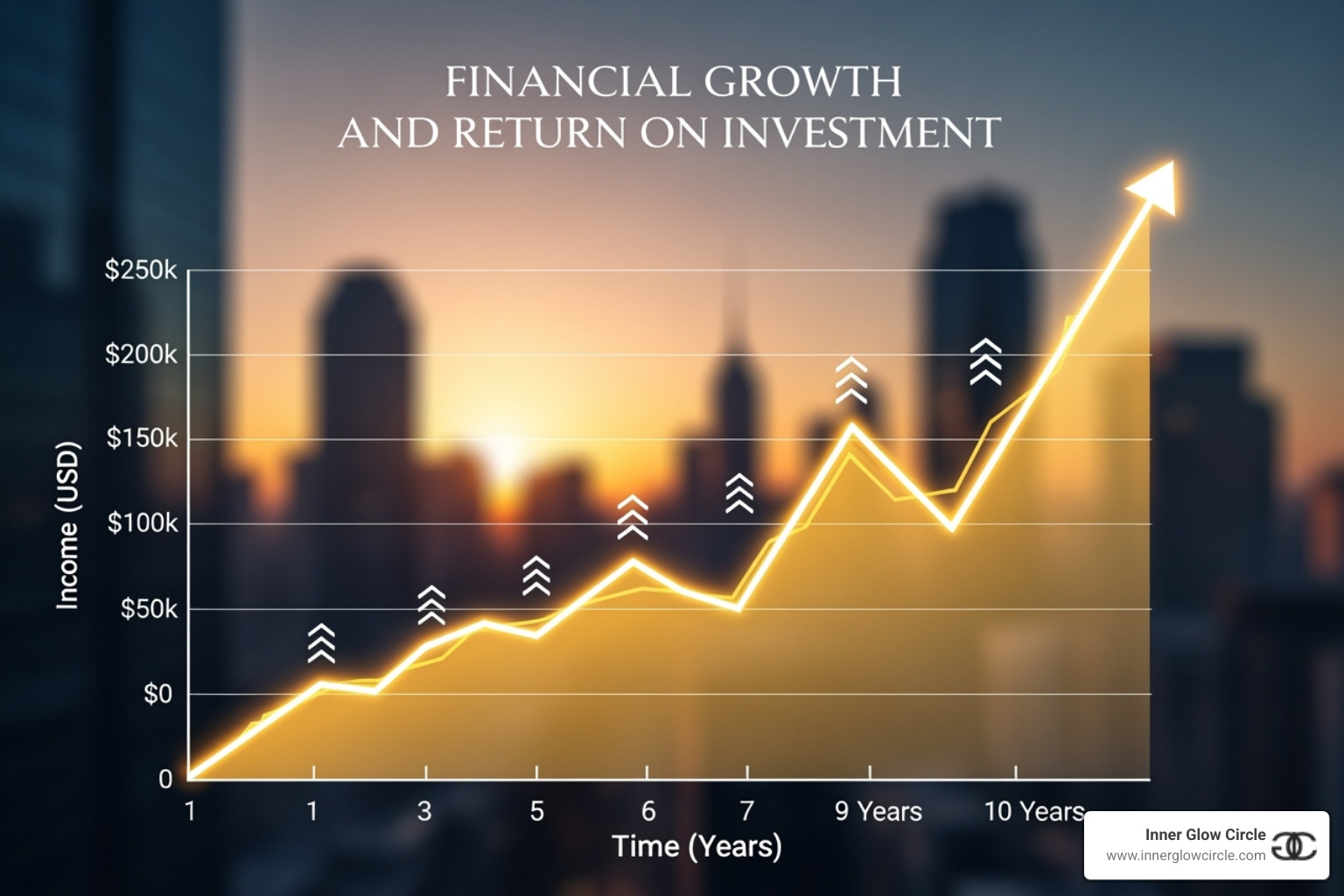
Certification supports higher fees and better-fit clients. Newer, uncertified coaches might see $27,000–$39,000 annually, while certified intermediate coaches average around $67,800; advanced coaches can exceed $100,000. Training helps you package your value and charge accordingly. Ready to monetize? Explore Get Paid to Coach.
The Power of a Professional Network
Strong programs offer mentors, peer referrals, collaboration partners, and ongoing learning. This network accelerates growth and sustains your business over time.
Financial Planning for Your Coaching Journey
You can invest in coaching education without financial stress by planning ahead and stacking savings opportunities.

How to Budget for Your Life Coach Training Cost
Account for more than tuition: books/materials, ICF exam fees (~$300–$500), annual memberships, and business startup costs (website, software, registration, marketing). Make a simple spreadsheet so nothing surprises you.
Finding Affordable and Reputable Training
- Use payment plans and early-bird pricing.
- Ask about employer reimbursement for professional development.
- Check potential tax deductions for education expenses.
- Apply for aid like Scholarships for Future Coaches.
Research programs, read recent alumni reviews, and speak with admissions to align cost, value, and outcomes.
Frequently Asked Questions about Life Coach Training Costs
Can I be a life coach without a certification?
Technically yes, but certification closes the credibility gap. It gives you a structured methodology, ethical guardrails, and the confidence to serve clients safely and effectively—now the professional standard in our field.
How long does it take to get a life coach certification?
Timelines range from weekend intensives to 6–9 month comprehensive programs, with self-paced options in between. Longer programs typically include more practice, feedback, and business prep.
What are the different ICF certification levels and their associated life coach training cost?
- ACC: ~60 training hours, 100 coaching hours (75 paid), 10 mentor hours; training often $4,000–$8,000; ICF application $175 (members) or $325 (non-members).
- PCC: 125+ training hours, 500+ coaching hours (450 paid), 10 mentor hours; training often $8,000–$12,500; ICF application $375 (members) or $525 (non-members) with a Level 2 program.
- MCC: 200+ training hours, 2,500+ coaching hours (2,250 paid), 10 mentor hours with an MCC; training can be $10,000–$15,500+; ICF application $675 (members) or $825 (non-members).
Training costs are separate from application fees, and each level builds credibility and earning potential.
Find Your Path and Purpose
Your life coach training cost is an investment in income, impact, and personal fulfillment. Align the depth of training with your goals, then act consistently.
There’s no single right path—some coaches start with budget programs and advance later; others go straight to comprehensive certification. What matters is choosing a program that matches your purpose and supports real-world success.
Find your calling at Find Your Purpose, and when you’re ready to turn passion into profession, Explore our Life Coach Training Programs.
Your future clients are waiting. Invest in the coach you’re meant to be.


