

Why Life Coaching Is the Perfect Career for Women Ready to Make a Difference
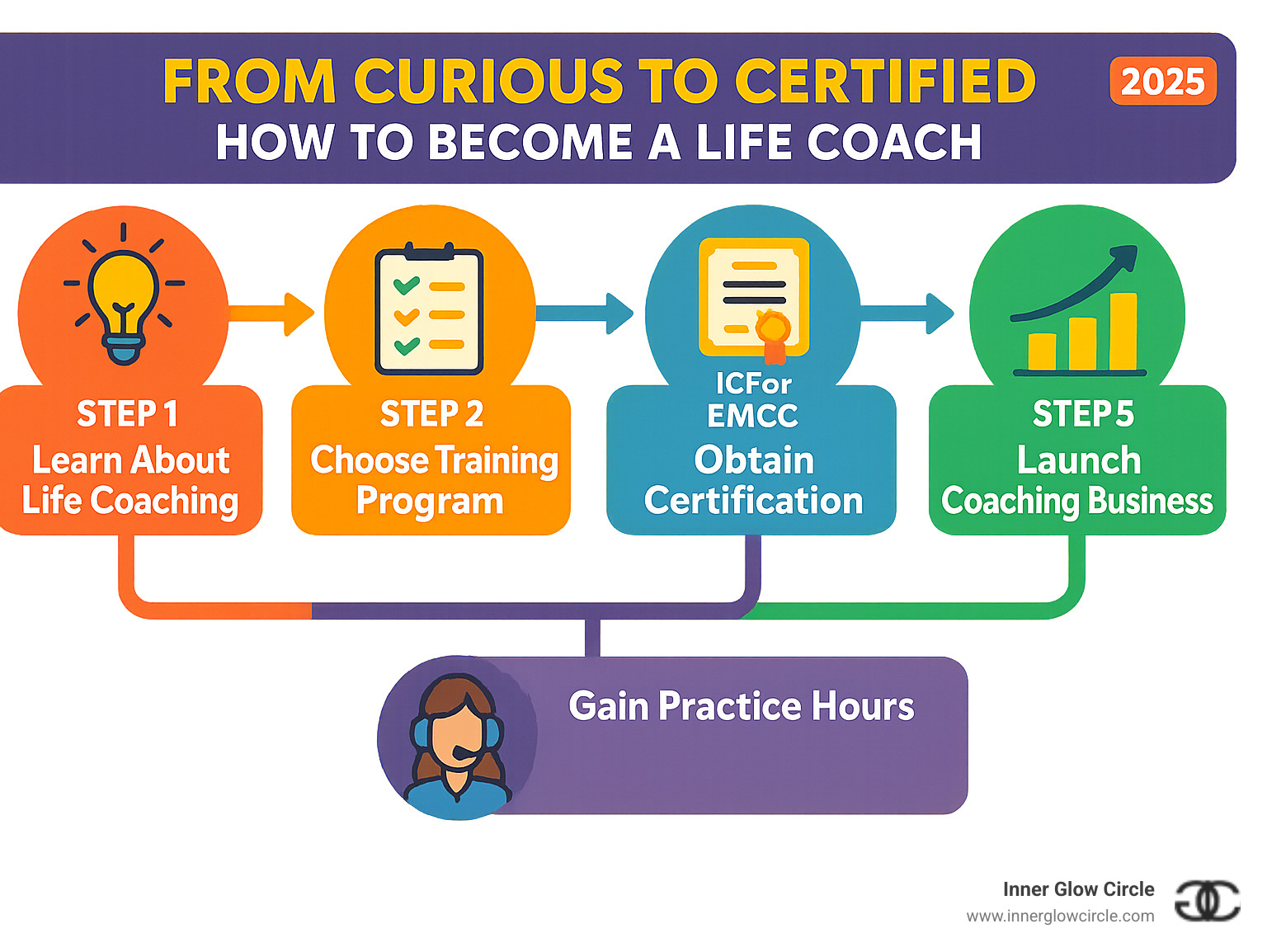
Learning how to become a life coach involves five key steps: understanding what coaching really is, choosing your niche and training program, obtaining certification through bodies like ICF or EMCC, gaining practice hours through mentoring and client work, and launching your coaching business with proper legal and marketing foundations.
The life coaching industry is experiencing remarkable growth, with nearly 47,500 life coaches generating $2 billion in annual revenue in Canada alone. This boom reflects growing demand for personal development support as more people seek guidance navigating career transitions and life changes.
Life coaching differs from therapy or consulting by focusing on future-oriented goals rather than past issues. Coaches ask powerful questions and provide accountability to help clients find their own answers and take action toward desired outcomes.
The profession attracts many women who want to combine their natural empathy and communication skills with meaningful work. The industry has grown 33% globally since 2015, driven by increased corporate investment in employee development and a cultural shift toward prioritizing mental health and personal growth.
Whether you’re feeling called to help others overcome self-doubt or achieve personal goals, the path from curious to certified is clearer than ever.
Understanding Life Coaching Today
The world of life coaching has transformed from a specialized field into a thriving industry changing how people approach personal and professional growth. If you’re wondering how to become a life coach, understanding what the profession looks like today is your first step.
The International Coach Federation (ICF) defines coaching as “partnering with clients in a thought-provoking and creative process that inspires them to maximize their personal and professional potential.” In practice, it’s about walking alongside someone as they find their own path to success.
Life coaching has clear boundaries. We work with emotionally healthy people who want to improve their lives and reach goals. Think of it as helping someone who’s already doing okay to do even better – not fixing what’s broken, but polishing what’s already there.
Globally, there are about 71,000 coaches across 161 countries – a 33% jump from 2015 to 2019. In Canada, the coaching industry generates $2 billion in annual revenue and continues growing.
What a Life Coach Does
Life coaches help people get from where they are to where they want to be through proven techniques that create real change.
Goal-setting is at the heart of what we do. We help clients get clear about what they want, break big dreams into manageable steps, and create realistic timelines. Accountability is our secret weapon – we check in regularly, celebrate wins, and help clients work through obstacles.
Active listening is our superpower. We listen to words and what’s underneath – values, fears, excitement. This deep listening helps us ask the right questions that make clients say “I never thought of it that way.”
The future-focus of coaching creates momentum and excitement about what’s coming next.
More info about What is Life Coaching?
Coaching vs Therapy vs Consulting
Understanding differences between coaching, therapy, and consulting is crucial for anyone learning how to become a life coach.
Coaching is future-focused and works with mentally healthy people ready to grow. We don’t diagnose or treat psychological disorders. Instead, we partner with clients who are creative and resourceful, helping them find solutions.
Therapy looks backward to heal past wounds and addresses mental health issues. Therapists are licensed professionals who can diagnose and treat psychological conditions.
Consulting provides expert advice based on specialized knowledge. Consultants recommend specific solutions. Coaches facilitate self-findy rather than giving answers.
Since coaching isn’t regulated in Canada, professional coaches know our limits. When clients need services beyond our scope, we make appropriate referrals to licensed mental health professionals.
Scientific research on coaching benefits shows coaching can boost self-confidence, improve work performance, and help people achieve goals while reducing stress in healthy populations.
Why Life Coaching Is Thriving in Canada and Beyond
The coaching industry is experiencing incredible growth. Canada’s coaching market generates $2 billion in annual revenue, while the global industry has grown 33% since 2015. This reflects a fundamental shift in how people approach personal and professional development.
Several forces drive this growth. The remote work revolution has left many professionals feeling isolated and uncertain about career paths. Traditional workplace structures have changed, leaving people hungry for guidance on everything from productivity to work-life balance.
Corporate demand for coaching has exploded as companies realize its value for employee development. A striking 86% of organizations have increased their use of coaching services, viewing it as strategic investment rather than a perk.
The specialization trend is exciting for aspiring coaches. Today’s successful coaches carve out specific niches – helping women steer career transitions, supporting executives through leadership challenges, or guiding clients toward better wellness habits. This focused approach allows coaches to charge premium rates and build deeper client relationships.
Self-employment appeal draws many women to coaching, especially those seeking careers that align with their values. The profession offers location independence, flexible scheduling, and the satisfaction of creating positive change.
The financial potential is real. International Coaching Federation statistics show average coach income in North America is $62,500, with many earning significantly more as they develop specialized expertise.
What makes this growth remarkable is its sustainability. Unlike fleeting business trends, coaching addresses fundamental human needs for growth, connection, and purpose.
How to Become a Life Coach: Step-by-Step Roadmap
The journey of how to become a life coach breaks down into clear steps. Think of it like planning a meaningful trip – you need a destination and map.
Start with market research. Before investing in training, look around. What types of coaches work in your area? What do potential clients need? Are there gaps you could fill? This groundwork saves costly mistakes.
Certain skills make your journey smoother. Strong communication abilities top the list. Emotional intelligence matters too – can you read between the lines when someone speaks? These are coaching building blocks.
Certification options can feel overwhelming. Organizations like ICF and EMCC have set quality standards. Stick with accredited programs for solid ground.
The learning doesn’t stop after training. You’ll need practice hours, mentors, and real client experience. This hands-on work transforms textbook knowledge into genuine skill.
Finally, there’s the business side – legal structures, insurance, and finding clients. It’s what separates hobbyists from professionals.
Step 1 – Learn What Coaching Really Is
Before investing in training, truly understand what coaching involves. This isn’t just reading definitions – it’s grasping the mindset shift that makes coaching different.
The ICF defines coaching as “partnering with clients in a thought-provoking and creative process that inspires them to maximize their potential.” Notice partnering? You’re not the expert with solutions – you’re walking alongside someone as they find answers.
This partnership requires eleven core competencies every professional coach develops, from maintaining ethics to asking powerful questions that spark insight.
The biggest mindset shift? Moving from “I need to fix this person” to “This person already has what they need inside them.” Instead of positioning yourself as the expert, you become a skilled facilitator helping people access their wisdom.
Life Coach Training basics can help you dive deeper into these concepts.
Step 2 – Pick Your Niche & Training Program
Choosing your niche and training together ensures your education prepares you for the coaching you want to do.
Start with honest self-reflection. What experiences have shaped you? What conversations light you up? Many successful coaches build practices around challenges they’ve overcome or areas where they’ve achieved something meaningful.
Get specific. Instead of “helping everyone,” successful coaches focus on particular groups with common needs. This allows you to develop deep expertise and charge premium rates.
ICF-accredited schools meet rigorous standards for curriculum quality and student outcomes. These programs emphasize hands-on practice over lectures, giving you opportunities to actually practice coaching skills.
Comprehensive programs typically cost $3,000-$12,000, plus additional expenses. Many schools offer payment plans to make training accessible.
ICF Accredited Coach Training Program reviews offer insights into program quality and student experiences.
Step 3 – Certification Pathways: ICF, EMCC & More
Professional certification significantly boosts credibility and marketability. While anyone can call themselves a life coach in Canada, clients increasingly prefer credentialed professionals.
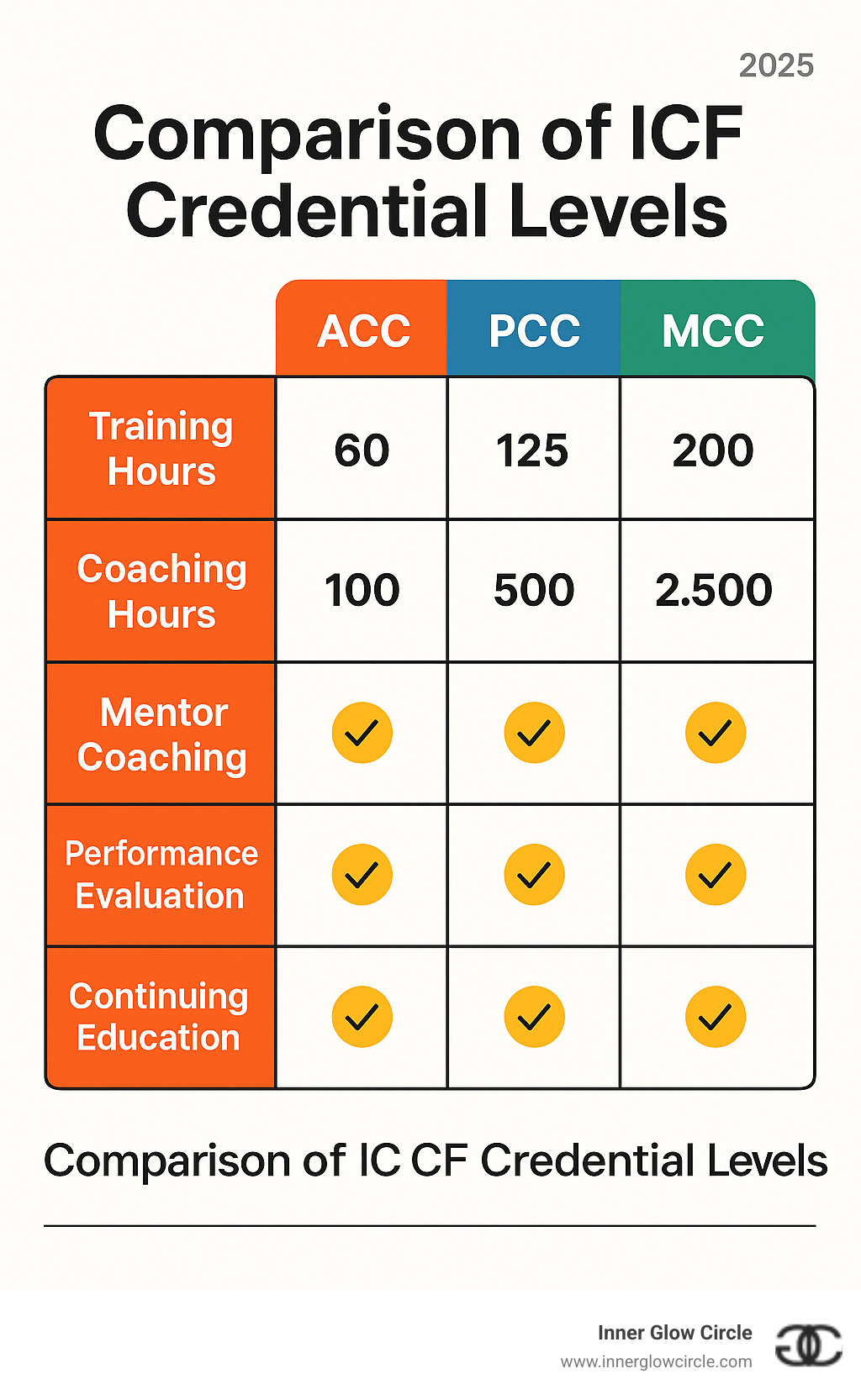
The ICF offers three credential levels. The Associate Certified Coach (ACC) requires 60 training hours and 100 coaching hours – perfect for new coaches. The Professional Certified Coach (PCC) demands 125 training hours and 500 coaching hours. The Master Certified Coach (MCC) requires 200 training hours and 2,500 coaching hours.
EMCC credentials provide alternative pathways recognized internationally. The European Individual Award offers flexibility with Foundation, Practitioner, Senior Practitioner, and Master Practitioner levels.
Benefits extend beyond certificates. Research shows 85% of clients value credentialed coaches, and credentialed coaches deliver 28% higher client satisfaction. This translates to better outcomes, higher retention, and premium pricing.
Step 4 – Practice, Mentor & Log Hours
This is where theoretical knowledge transforms into practical skill. Like learning to drive, you won’t become confident until you practice with experienced guidance.
Peer coaching exchanges offer valuable practice while building professional relationships. Many training programs facilitate peer coaching groups for safe experimentation.
Mentor coaching involves working with experienced coaches who provide guidance and feedback. ICF credentials require specific mentor coaching hours – typically 10 hours for ACC and PCC.
Reflective journaling helps process coaching experiences and identify patterns. Regular reflection on sessions and breakthrough insights accelerates learning.
Client feedback provides essential information about coaching effectiveness while demonstrating commitment to client success.
Step 5 – Launch the Business & Stay Compliant
Transitioning from trained coach to successful business owner requires attention to legal, financial, and marketing considerations.
Business structure decisions affect liability, taxes, and flexibility. Sole proprietorships offer simplicity but no liability protection. LLCs protect personal assets while maintaining tax flexibility.
Insurance includes professional liability coverage and general liability insurance. Many coaches carry cyber liability insurance given increasing use of digital platforms.
Contract development protects both you and clients by defining expectations, boundaries, and responsibilities. Comprehensive agreements cover session frequency, payment terms, and confidentiality.
Pricing models vary from hourly rates ($150-$500) to packages and retainers. Package deals often provide better client value and more predictable coach income.
Marketing funnels guide potential clients from awareness to purchase through content marketing, lead magnets, findy calls, and follow-up sequences.
Skills, Costs & Timeline
Learning how to become a life coach requires developing heart-centered skills and practical business knowledge. Many abilities build on strengths you likely already possess as someone who cares about helping others grow.
Empathy and emotional intelligence form the foundation of effective coaching. Your ability to sense what clients really feel creates the safe space needed for change. Active listening goes beyond hearing words – it means tuning into tone, energy, and meaningful pauses.
The art of powerful questioning separates skilled coaches from well-meaning friends. Instead of “Have you tried…?” you learn to ask “What would be possible if…?” These questions spark insight and help clients find their own answers.
Communication clarity ensures clients understand your offerings and the coaching process. Boundary setting protects both parties – knowing when to refer someone to therapy and maintaining professional standards.
Marketing and sales skills help attract the right clients and communicate your value. Technology proficiency has become essential with remote coaching growing rapidly. Financial management keeps your practice sustainable through fair pricing and expense management.
Training costs typically range from $3,000 to $12,000 for comprehensive certification programs. Additional expenses include books, materials, mentor coaching fees, and certification costs. Budget an extra $1,000-$2,000 for these items.
The timeline for becoming certified varies based on program intensity and personal schedule. Most comprehensive programs require 6-18 months to complete. Building a sustainable practice typically takes 2-3 years of consistent effort.
Continuing professional development keeps skills sharp and credentials current. ICF credentials require continuing education units every three years, meaning you’ll always be learning alongside your clients.
Starting & Growing Your Coaching Practice
Building a successful coaching practice breaks down into manageable steps. The shift from certified coach to thriving business owner challenges many, but those who persist find incredibly rewarding careers.
Your brand positioning sets you apart from thousands of other coaches. Effective positioning weaves together your personal story, coaching style, and the specific people you love working with.
Your website becomes your digital home base where potential clients get to know you. It should clearly explain who you help, how you help them, and what makes you qualified. Include client stories and helpful content showing you’re both credible and caring.
Lead magnets work like friendly introductions. You offer something helpful – maybe a goal-setting worksheet – in exchange for an email address. This starts building relationships before people are ready to invest in coaching.
Findy calls serve double duty as sales conversations and mini coaching sessions. These complimentary calls let potential clients experience your style while you determine mutual fit.
Social proof through client testimonials acts like digital word-of-mouth recommendations. When potential clients see others achieving desired results, it becomes easier to imagine their own change.
Networking within professional communities and target client groups expands visibility organically. Focus on being helpful rather than promotional.

Advanced Niches & Income Streams
As your practice grows, specializing in specific areas and creating multiple income streams can significantly boost impact and earnings.
Executive coaching represents one of the most lucrative specializations, with practitioners often earning $300-500 per hour. This niche requires understanding business dynamics and leadership challenges.
Wellness coaching taps into growing desire for work-life balance and holistic health. This might focus on stress management, healthy habits, or sustainable lifestyle design.
Group programs multiply your impact by serving multiple clients simultaneously. Cohort-based courses, masterminds, and workshops create community support while improving income per hour.
Digital courses and products create income streams that work while you sleep. These might include online programs, assessments, or planning resources.
Speaking engagements and corporate training expand reach beyond one-on-one coaching while establishing thought leadership. Authorship and content creation position you as an expert while creating additional revenue streams.
Frequently Asked Questions about How to Become a Life Coach
Do I need a license or certification to coach in Canada?
No license is legally required to practice life coaching in Canada. The profession remains unregulated, meaning anyone can technically call themselves a life coach. However, this lack of regulation makes professional certification more important, not less.
When clients choose between a coach with no credentials and one with recognized certification, they’ll trust the credentialed professional with their goals. Professional certification demonstrates commitment to ethical practice and ongoing development, setting you apart in a crowded field.
Organizations like ICF and EMCC provide globally recognized credentials that significantly boost credibility. Studies show 85% of clients value credentialed coaches, and credentialed coaches deliver 28% higher client satisfaction rates.
The ethical piece is crucial. Professional coaches must recognize when clients need services beyond our scope, knowing when to refer someone to therapy or counseling. Quality training programs emphasize these boundaries.
How much can a certified life coach earn?
In Canada, life coaches typically charge between $150 and $500 per hour. This range reflects differences in experience, specialization, and market positioning. Many coaches offer packages, providing better client value while creating predictable income streams.
Industry surveys suggest average annual income ranges from $38,000 to $93,000 for life coaches. These figures include part-time practitioners and coaches building their practices. Experienced coaches with established client bases often earn significantly more.
Several factors influence earning potential. Geographic location matters – urban markets typically support higher rates. Niche specialization dramatically impacts income, with executive and wellness coaching commanding premium pricing. Experience level naturally affects rates.
Your business model plays a huge role. Coaches combining individual sessions with group programs, digital products, and speaking often out-earn those relying solely on one-on-one coaching.
How long does it take to become a life coach?
Most comprehensive training programs require 6-18 months to complete, including classroom hours, practice sessions, and certification requirements.
ICF certification timelines vary by credential level. The ACC pathway typically takes 6-12 months. The PCC credential usually requires 12-24 months due to additional experience requirements. The MCC represents a longer journey of 3-5 years.
Building a sustainable coaching practice typically takes 2-3 years of consistent effort. This includes developing skills, building reputation, and establishing reliable client acquisition systems.
Many coaches begin practicing while completing certification requirements through peer coaching and supervised practice, building experience and even earning income before full certification.
Conclusion – Turn Your Curiosity into Certification
Taking the leap from wondering about coaching to becoming a certified professional might feel overwhelming, but every successful coach started exactly where you are now. The path we’ve outlined creates a solid foundation for meaningful work that truly matters.
Learning how to become a life coach isn’t just about following steps. It’s about finding your unique gifts and learning to use them in service of others. When you help someone break through limiting beliefs or achieve a goal they thought impossible, you’ll understand why so many women find coaching deeply fulfilling.
The timing couldn’t be better for women entering this field. With the industry growing 33% globally and Canadian coaches generating $2 billion annually, there’s plenty of room for passionate, well-trained professionals. Women naturally excel at core coaching skills – deep listening, asking thoughtful questions, and creating safe spaces for growth.
At Inner Glow Circle, we’ve seen hundreds of women transform their lives through our supportive, transformative training. Our program doesn’t just teach coaching skills; it empowers women to step into confidence and build practices reflecting their values. We understand women often face unique challenges balancing family, career, and personal growth – and our approach honors those realities.
Your curiosity about coaching is telling you something important. Maybe you’ve always been the friend people turn to for guidance. Perhaps you’ve overcome challenges and want to help others do the same. Or maybe you’re ready for work that feeds your soul while making a real difference.
The world needs more skilled, ethical coaches committed to empowering others. If you’re ready to turn your natural helping abilities into a professional practice, coaching offers a pathway to work aligning with your deepest values.
Starting this journey requires courage, but you don’t have to do it alone. With proper training, supportive community, and commitment to growth, you can build a thriving practice that creates positive change while providing the flexibility and fulfillment you’re seeking.
The first step is simply beginning. Your future clients are out there right now, waiting for the unique perspective and support only you can provide.
More info about Life Coach Certification


