

Why the Holistic Coaching Style is Changing Lives and Organizations
The holistic coaching style is a transformative approach that considers the whole person—mind, body, spirit, and emotions—rather than focusing solely on isolated goals. It operates on the principle that all areas of life are interconnected, meaning professional challenges often stem from personal issues, and vice versa.
This client-centered philosophy views you as naturally creative and whole, not as someone who needs “fixing.” The coach acts as a facilitator, guiding you to find your own solutions and prioritizing sustainable, long-term development over quick wins. It addresses physical health, emotional well-being, relationships, and spiritual growth in unison.
If you’re feeling stuck launching your coaching business, you’re not alone. Many aspiring coaches struggle because they separate professional goals from their personal journey. Holistic coaching acknowledges this struggle as part of your whole story.
When a promotion can feel empty if your health or relationships suffer, this integrated style has gained traction. It recognizes that true growth happens when we address the complete picture. Holistic coaching asks: What does it mean to thrive, not just succeed? It’s about creating alignment across all dimensions of your life so that growth in one area supports growth everywhere else.

The Foundations of Holistic Coaching: Philosophy and Principles
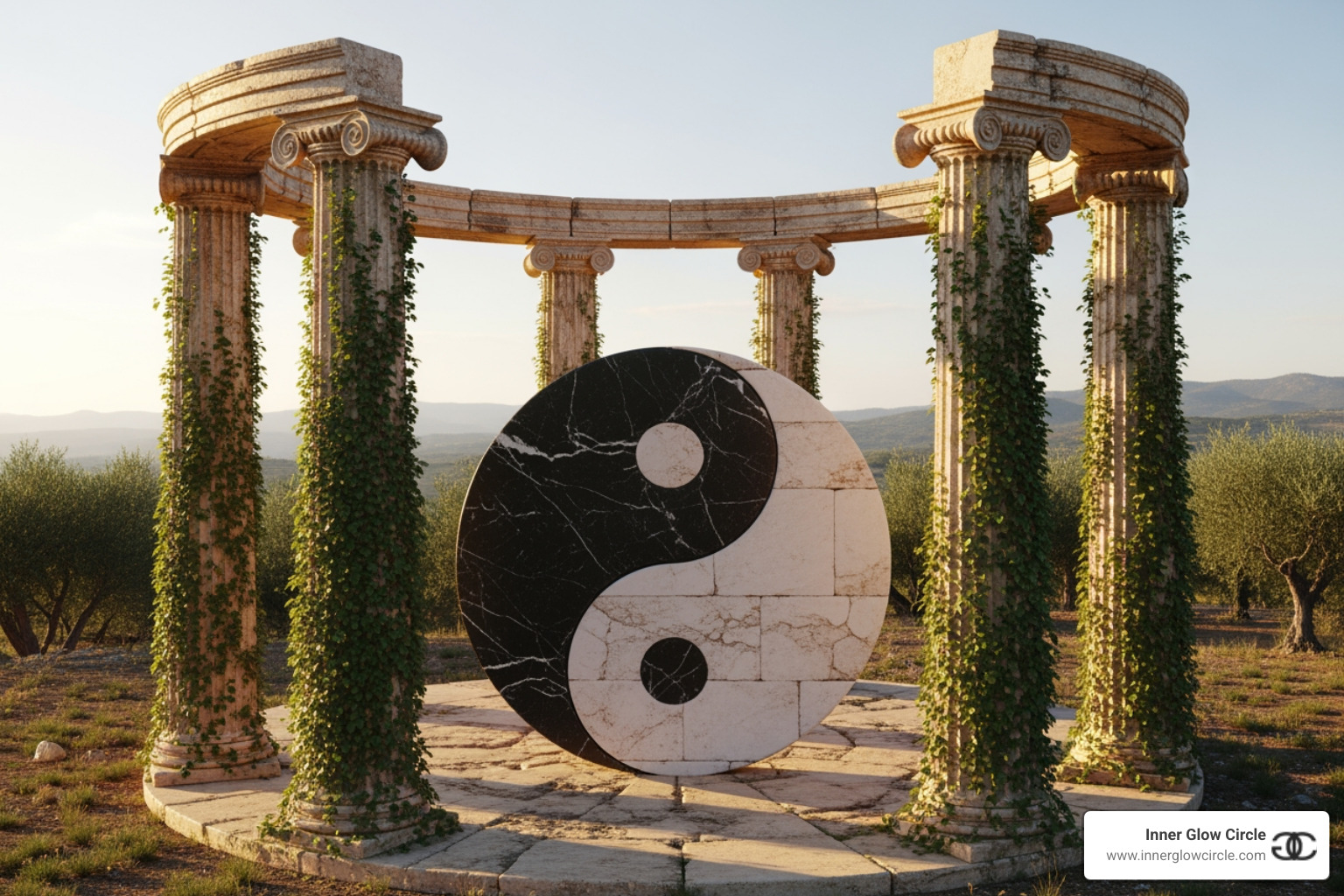
Understanding the origins of the holistic coaching style helps explain its power. This approach isn’t a new trend; it’s built on ancient wisdom that recognizes we can’t separate parts of ourselves and expect to thrive.
What is Holistic Coaching? A Deeper Dive
Holistic coaching views you as a complete person with interconnected needs, not just someone with a problem to fix. The core belief is that you are naturally creative, resourceful, and whole. A holistic coach creates a safe space for you to find your own path forward, rather than providing all the answers.
This philosophy mirrors holistic health, which, as What is holistic medicine? explains, considers the mind, body, and spirit as interconnected parts of a whole. In coaching, this means looking at physical health, emotional well-being, social relationships, intellectual growth, and spiritual development together. The coach acts as a facilitator, helping you build self-awareness to make choices that align with your entire self.
Historical Roots and Core Philosophies
The idea of treating people as whole beings is ancient. The roots of holistic health in Greek philosophy trace back to thinkers like Hippocrates, who understood that mind, body, and spirit work together. Similarly, Traditional Chinese Medicine has long recognized that imbalance in one area affects the whole person.
These foundations shaped the core principles of holistic coaching today. Person before performer means your well-being matters more than short-term wins. Interconnectedness recognizes that a career issue might stem from a personal belief. Empowerment and autonomy mean you are the expert on your own life, and the coach is a partner who helps you access your inner wisdom. Finally, long-term development focuses on creating lasting change across all life domains.
How Holistic Coaching Differs from Other Styles
Unlike traditional performance coaching, which is often expert-led and focuses on narrow, measurable outcomes, holistic coaching is process-oriented and considers your whole life. Autocratic coaching is highly directive, which can stifle long-term growth, while laissez-faire coaching can be too hands-off for those needing structure.
Holistic coaching shares common ground with democratic coaching, which values participation and shared decision-making. As noted by Forbes on leadership styles in coaching, empowering individuals fosters innovation. The holistic style expands on this by integrating mental, emotional, physical, and spiritual well-being into the process. It’s a personalized, adaptive approach that builds genuine self-awareness and sustainable well-being.
The Holistic Coaching Style in Action: Techniques and Applications

Putting the holistic coaching style into practice is where the magic happens. Let’s explore the techniques, characteristics, and real-world applications that create lasting change.
Characteristics of an Effective Holistic Coach
A holistic coach is a guide, not a guru. Key characteristics include empathy and humility, which create a safe, non-judgmental space for growth. Active listening goes beyond words to notice tone, body language, and what isn’t being said. This deep listening, combined with professional intuition, helps guide clients toward breakthroughs.
A holistic coach embodies curiosity, asking powerful questions rather than providing answers. They act as a guide and partner, walking alongside you while you remain in the driver’s seat. This partnership is built on a safe and trusting space, which is essential for the vulnerability that growth requires. Finally, effective coaches practice self-management, doing their own inner work to remain present and serve the client’s needs, not their own ego.
Powerful Questions in the Holistic Coaching Style
Powerful questions are the secret sauce of holistic coaching. They invite exploration of deeper truths and inner wisdom, moving beyond the immediate problem to uncover underlying patterns and values.
Here are some examples of holistic coaching questions:
- “How does this career challenge connect to your overall well-being?”
- “If your body, mind, and spirit could each offer advice, what would they say?”
- “What values are at play here, and how aligned are your current actions with them?”
- “Beyond the immediate problem, what deeper longing is this situation revealing?”
- “What small adjustment in one area of your life could create a positive ripple effect elsewhere?”
These open-ended questions assume you are creative and resourceful, empowering you to find your own answers.
Practical Applications: From the Workplace to Personal Life
The versatility of the holistic coaching style allows it to create change across every area of life.
In the workplace, it helps with stress management and burnout prevention by addressing root causes, not just symptoms. It promotes work-life integration by helping individuals find harmony between career ambitions and personal needs. Career development becomes about aligning your path with your deepest values for long-term satisfaction.
In personal development, holistic coaching supports health and wellness in an integrated way, recognizing that physical health impacts mental and emotional states. Goal setting becomes more meaningful by ensuring objectives align with your whole self. It also helps in overcoming inner obstacles like limiting beliefs and fears by addressing them at a deeper level.
In sports coaching, this athlete-centered approach focuses on the “person before the performer,” developing well-rounded individuals with life skills like communication, discipline, and teamwork that extend beyond the sport itself.
The Transformative Impact of Holistic Coaching

Committing to a holistic coaching style opens the door to profound, sustainable change that ripples through every aspect of life. It’s not about quick fixes; it’s about becoming the person who naturally achieves goals while thriving in all areas.
Benefits for Individuals: Fostering Well-being and Growth
For individuals, the journey often begins with increased self-awareness. By exploring their inner landscape of values, strengths, and beliefs, clients start making choices that align with who they truly are. This leads to greater emotional resilience, as they develop tools to respond to life’s challenges thoughtfully rather than reactively.
Burnout prevention is a significant impact. Holistic coaching helps establish healthy boundaries and prioritize self-care without guilt. As clients make these shifts, their confidence and self-efficacy blossom. By finding their own solutions, they begin to trust their own capacity to create change. This leads to greater life fulfillment and a sense of balance—not as a static state, but as an ongoing practice of making life-giving choices.
Benefits for Organizations: Building a Thriving Culture
When organizations adopt a holistic coaching style, they signal that they value people as whole human beings. This shift transforms workplace culture, leading to increased employee engagement and productivity. When employees feel seen and supported, they become more present, creative, and invested in their work.
This directly translates to improved employee retention and reduced turnover. People stay where they feel valued. A positive organizational culture emerges, marked by collaboration and innovation, which in turn helps in attracting top talent. In today’s market, professionals seek workplaces that prioritize well-being.
From a practical standpoint, holistic coaching is a powerful tool for burnout prevention at an organizational level. Investing in a healthier, more resilient workforce reduces absenteeism and presenteeism, ultimately benefiting the bottom line. When your people thrive, your organization thrives.
Implementing and Embracing a Holistic Approach

You’ve seen the philosophy and impact of a holistic coaching style. Now, let’s explore how to bring this approach into your own life or organization.
Is the Holistic Coaching Style Right for You or Your Organization?
This approach is for those seeking deeper, lasting change. As an individual, consider holistic coaching if you feel stuck, notice different areas of your life are in conflict, or feel that external success has left you feeling empty. It’s ideal if you’re ready to explore the connections between your mind, body, and emotions to find the root causes of your challenges. This process requires a commitment of time and energy, but that investment is what creates sustainable results.
For organizations, adopting a holistic style requires a genuine commitment to employee well-being beyond a mission statement. It’s best for companies looking to improve retention, reduce burnout, and build a culture where people want to work. A key challenge is measuring ROI on qualitative benefits like well-being, but success can be tracked through a combination of client feedback, behavioral changes, and traditional metrics like productivity and turnover.
Finding a Holistic Coach and Complementing the Process
Finding the right coach is crucial, as the relationship is the foundation for growth. Look for qualifications and specific training in holistic approaches, but also prioritize an alignment of values. Your coach should be empathetic, curious, and empowering, making you feel seen and heard, not judged.
Holistic coaching is most effective when complemented by a supportive lifestyle. This doesn’t have to be complicated. Incorporate simple practices that reinforce your growth:
- Mindfulness and Self-Awareness: Practices like meditation and journaling create space to process emotions and connect with yourself.
- Physical Well-being: Pay attention to nutrition, regular exercise, and quality sleep. Fueling your body well impacts your mood, energy, and clarity.
- Connection: Spending time in nature and nurturing meaningful relationships provides essential support for your journey.
When you integrate these lifestyle components with your coaching, you create a synergistic effect where each element amplifies the others, making your change deeper and more sustainable. At Inner Glow Circle, we champion this comprehensive approach, training coaches to understand that real change happens when we address the whole person.
Frequently Asked Questions about Holistic Coaching
Here are answers to some of the most common questions about the holistic coaching style.
How is holistic coaching different from therapy?
This is a key distinction. Therapy typically looks backward to heal past wounds, traumas, and diagnosed mental health conditions. A therapist often acts as a clinical expert to help you process your history.
Holistic coaching, on the other hand, is future-focused. It helps you move from where you are now to where you want to be by open uping your potential. The coach acts as a partner, seeing you as naturally creative and whole. While therapy and coaching can complement each other, coaching is for growth and goal achievement, while therapy is for healing and clinical treatment.
Can holistic coaching be used for specific, short-term goals?
Absolutely. While known for long-term growth, the holistic coaching style is highly effective for short-term goals. The difference is in the how. A holistic coach helps you achieve a specific goal while also exploring how it aligns with your deeper values and impacts your whole life.
For example, if your goal is to launch a business in three months, a holistic coach will help you do it in a way that energizes rather than depletes you, addressing any underlying fears or beliefs along the way. This approach ensures that even short-term achievements contribute to deeper, sustainable personal development.
How do you measure the success of holistic coaching?
Success in holistic coaching is measured through a combination of tangible and intangible outcomes, reflecting meaningful life changes.
- Qualitative Feedback: Client self-reports on feeling more aligned, confident, and at peace are primary indicators of success. We listen for shifts in perspective and increased self-awareness.
- Goal Achievement: We track progress toward the specific objectives you set, celebrating milestones and new habits.
- Behavioral Changes: Observable shifts in communication, decision-making, and stress management show that coaching is translating into real-life action.
- Organizational Metrics: In a business context, success can also be seen in 360-degree feedback, reduced turnover, and improved employee engagement.
Success isn’t a single number; it’s the comprehensive, sustainable growth that helps a person thrive in all aspects of life.
Conclusion: Accept Your Whole Self for Lasting Change
We’ve explored the holistic coaching style—from its philosophical roots to its modern applications. The power of this approach lies in a simple truth: you are a whole, interconnected person. When you address your life’s dimensions together—physical, emotional, professional, and spiritual—you create sustainable change that ripples through everything you do.
Holistic coaching isn’t about quick fixes; it’s about growth that honors who you are and who you’re becoming. It recognizes that your business success is linked to your emotional resilience and that your ability to serve others flows from your own inner alignment.
For every woman who has felt torn between professional ambition and personal well-being, this integrated approach offers a way forward. You can build a business that reflects your values and supports your whole life.
At Inner Glow Circle, we champion this by training women to become certified coaches who guide others toward integrated success. Our holistic coaching certification doesn’t just teach techniques; it supports your own change while equipping you to facilitate it for others. We invite you to explore this approach, not just as a method to learn, but as a way of being to embody.
Explore our holistic coaching certification for women and find how you can turn your inner glow into a guiding light for others.


