

Find Hidden Funding: grants for life coaches Explained
grants for life coaches open doors to free money you don’t have to pay back—helping you start, grow, or upskill your coaching business. If you’re looking for funding to earn a coaching certification, launch your practice, or expand your impact, there are more resources out there than you might realize.
Quick Answers: What Are grants for life coaches and Where to Find Them?
- Grants for life coaches are financial awards (not loans) that fund your education, certification, or business startup—no repayment required.
- You can find grants from:
- Federal programs (like the COOL Credentialing Grant for military service members)
- National foundations (such as ICF Foundation Scholarships)
- Private organizations (example: Positive Intelligence 100X Grant)
- Local and community sources (colleges, non-profits, Title V funds)
- Niche opportunities (youth sports, research, diversity initiatives)
- Typical uses: tuition, certification fees, research, startup costs, or professional development.
“I do not want to see talented, caring individuals turned away from the coaching profession due to limited funding.”
— The Coach Training Academy
The life coaching industry is booming—valued at $15 billion in 2019, with thousands of new coaches stepping up every year. But high training costs and business expenses can be a real barrier, especially for new coaches like Sarah, still building confidence.
Luckily, this guide will highlight surprising grant sources, what they cover, and how to apply—so you can focus on growing your coaching career, not your debt.

Why Read This Guide?
Ever felt that sinking feeling after hours of searching for funding opportunities, only to think, “There’s nothing here for coaches like me”? Trust me, I’ve been there too. But here’s the good news – grants for life coaches do exist, and this guide is your treasure map to finding them.
Think of this as your shortcut through the funding maze. Whether you’re a woman stepping into your coaching power, a career-changer seeking certification, someone from an underrepresented background, or a community-focused change-maker – there’s likely a grant with your name on it.
What makes this guide different? We’re not just listing the obvious opportunities that everyone knows about. We’re diving into the hidden grants for life coaches that don’t always show up in your first Google search. These are the funding sources that could transform your coaching journey from “someday” to “starting now.”
By reading on, you’ll find:
Where those “off-the-radar” funding sources are hiding (and how to approach them successfully)
How to craft your unique story and coaching mission into an application that grant committees can’t ignore
The crucial differences between grants, scholarships, and loans – because understanding these distinctions can save you years of financial stress
Real stories from coaches just like you who secured funding when they needed it most – including what they did right and how their coaching practices flourished as a result
The truth is, coaching shouldn’t be accessible only to those with deep pockets or wealthy connections. Our mission is to democratize coaching – making it possible for passionate, talented individuals from all walks of life to enter this transformative profession.
Ready to find the funding that could launch your coaching career or take your practice to the next level? Let’s uncover those opportunities together.
1. Federal COOL Credentialing Grant for Service Members
Have you ever dreamed of turning your military experience into a rewarding coaching career? If you’re serving in the military or recently separated, there’s amazing news waiting for you.
The Department of Defense’s COOL (Credentialing Opportunities On-Line) program might just be your golden ticket to becoming a certified coach without spending a dime of your own money.
This little-known program connects military occupations with civilian credentials, making it possible for you to earn the prestigious ICF Associate Certified Coach (ACC) credential – widely considered the gold standard in the coaching industry – using federal funding that’s already earmarked for your professional development.
What exactly does this grant cover? Everything you need to launch your coaching career: full tuition for your certification program, all exam fees for earning your ACC credential, and the professional development resources you’ll need for a smooth transition, whether you’re planning to stay in service or move to civilian life.
The eligibility is straightforward – if you’re active duty, Reserve, or National Guard (Army, Air Force, Coast Guard, or DoD civilian), you qualify. Even some veterans still in their transition period can access these funds.
“The skills I developed as a military leader translated perfectly to coaching. The COOL program made it possible for me to get certified without financial stress during my transition.” – Former Air Force Technical Sergeant
The application process is simpler than you might expect. You’ll access your branch’s COOL website, select the ACC credential pathway, and once approved, federal funds flow directly to cover your training costs. No complicated reimbursement processes or out-of-pocket expenses.
Why does this matter? In today’s coaching landscape, credentials make a difference. Studies show that 80% of potential coaching clients expect their coach to be certified, and about 85% of practicing coaches hold a recognized credential. Starting your coaching journey with proper certification gives you immediate credibility.
I recently spoke with a transitioning Air Force sergeant who used COOL funding to get certified and then built a thriving coaching business serving fellow veterans. She now helps military members steer the often challenging shift to civilian life, using the very skills she developed during her service.
Ready to explore if the COOL program is right for your coaching journey? Visit the Department of Defense COOL Portal to learn more about how your military service can open doors to a fulfilling coaching career.
This pathway represents a perfect bridge between your military experience and the transformative work of coaching – and the best part? The funding is already there, waiting for you to claim it.
2. ICF Foundation Coaching Education Scholarships
The journey to becoming a coach shouldn’t be limited by your bank account. That’s why the ICF Foundation created scholarships that truly open doors—especially if you’re from an underrepresented background or committed to making social impact through your coaching.
These scholarships aren’t just about covering costs—they’re about creating a more diverse, equitable coaching profession where everyone’s voice matters.
What’s covered?
When you receive this scholarship, you’ll get far more than just tuition assistance. You’ll receive full or partial funding for an ICF-accredited “Level 1” coaching program (that’s over 60 hours of professional training!). But the support doesn’t stop there. You’ll also enjoy a complimentary one-year ICF membership that connects you with thousands of coaches worldwide, a waived application fee for your ACC credential, and perhaps most valuable of all—mentorship from seasoned coaches who’ve walked the path before you.
Who thrives with these scholarships?
The ICF Foundation specifically seeks out applicants from underrepresented or marginalized backgrounds. They’re looking for passionate individuals committed to advancing diversity, equity, and inclusion (DEI) within the coaching profession. What makes your application stand out? Alignment with the UN Global Goals and your vision for creating meaningful social impact through coaching.
Real Impact Story: I recently spoke with a scholarship recipient from Kenya who used her training to launch a coaching practice focused on women’s leadership. What started as one woman’s dream has blossomed into a thriving network of female leaders changing their local community. This is the ripple effect of investing in just one coach—imagine what you could do!
The application process opens annually, so I recommend signing up for notifications right away. When applying, be ready to share your authentic story, your coaching vision, and how you plan to make a difference in the world.
Grants for life coaches like these aren’t just funding your education—they’re investing in the change you’ll create. The ICF Foundation believes in your potential to transform lives, and so do I.
Ready to learn more?
– ICF Foundation Coaching Education Scholarships
3. Positive Intelligence 100X Coach Impact Grant
Imagine multiplying your coaching effectiveness by 100—without spending a dime. That’s exactly what the Positive Intelligence 100X Grant Program offers coaches like you who are ready to level up their mental fitness toolkit.
This neuroscience-based program isn’t just another training—it’s a complete 7-week immersion that transforms how you coach and how you show up in your own life. The best part? It’s completely free for selected coaches.
What’s covered?
The grant gives you full access to the coveted Positive Intelligence “PQ” curriculum that most coaches pay handsomely for. You’ll dive into weekly video sessions that break down complex neuroscience into practical coaching tools. The daily app-guided exercises reinforce your learning in bite-sized, manageable chunks.
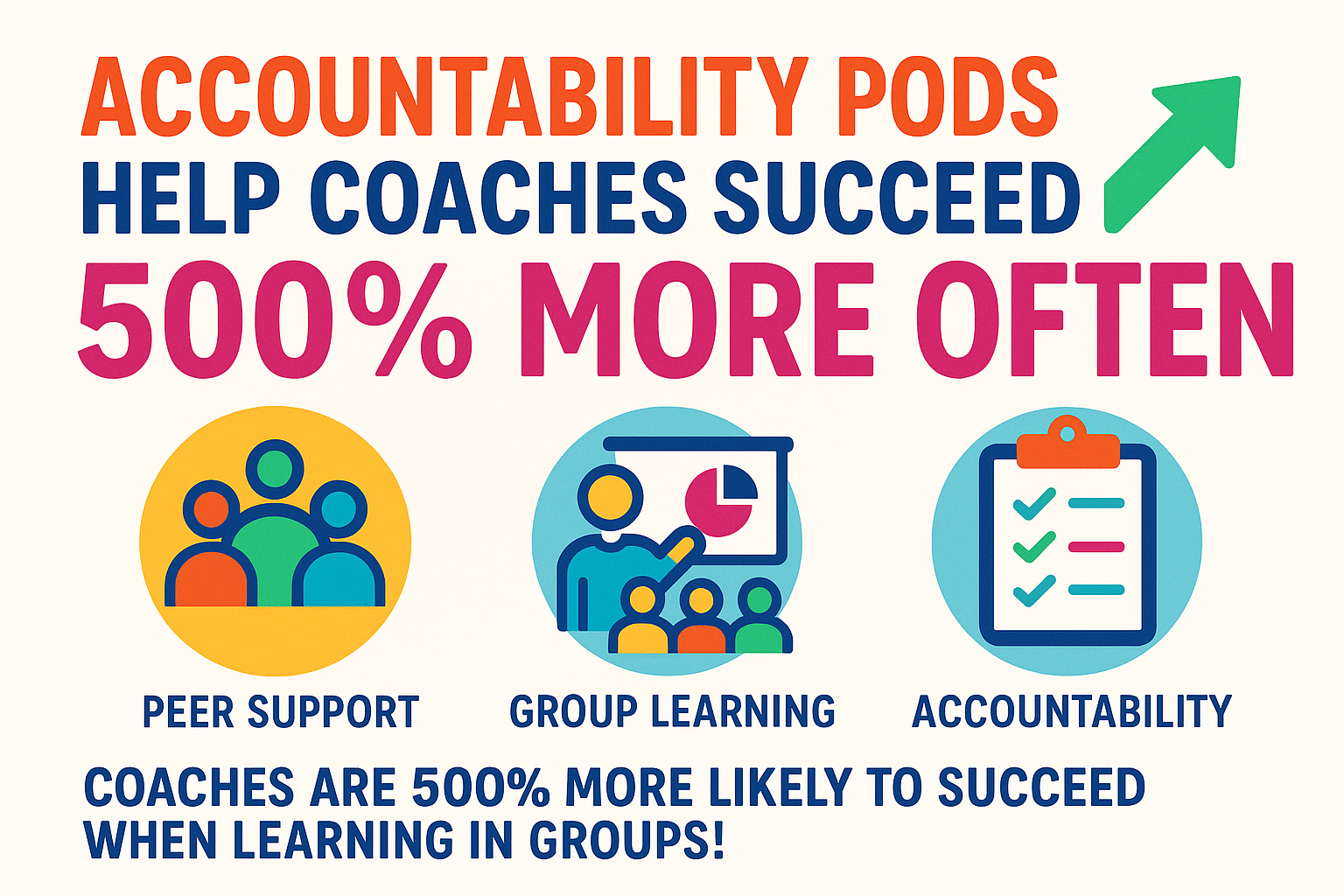
One of the most valuable aspects is the peer accountability Pods. You’ll join 3-5 fellow coaches who support each other throughout the journey. These Pods aren’t just study groups—they’re your success secret weapon. Research shows coaches are a whopping 500% more likely to complete programs and implement learning when they’re part of a supportive group!
Quote:
“This program exceeded my expectations both personally and professionally. Life changing for me and my clients.”
The grant also includes live Q&A sessions with leading experts in the field, giving you direct access to pioneers in mental fitness coaching. And for those counting continuing education credits, you’ll earn 7 NBHWC units—a nice professional bonus.
Who’s eligible?
The beauty of this grant is its accessibility. You don’t need fancy credentials or years of experience. If you’re actively coaching and being compensated for it—whether full-time, part-time, or as an employee—you qualify. No ICF certification required!
How it works:
The application process is refreshingly straightforward. Apply online, form your Pod with other coaches (or get matched with one), and commit to the 7-week program. The structure is designed to fit into your busy schedule while creating lasting change in how you coach.
Over 1,000,000 coaches and clients have already participated in PQ research-based programs, creating a robust community of practitioners who speak the same mental fitness language.
Ready to transform your coaching practice and become part of this movement? Your clients will thank you—and so will your future self.
Ready to 100x your impact?
– Apply for the Positive Intelligence Coach Grant
4. Institute of Coaching Research Grants
Imagine turning your coaching insights into groundbreaking research that shapes the entire profession. That’s exactly what the Institute of Coaching Research Grants make possible for curious coaches and academics alike.
As a Harvard Medical School affiliate, the Institute doesn’t just talk about evidence-based coaching—they fund it generously, with awards reaching up to $40,000 per project.
What’s covered?
These grants support rigorous scientific inquiry into what actually works in coaching. Whether you’re drawn to number-crunching quantitative studies, rich qualitative explorations, or a thoughtful mix of both, there’s funding available. Graduate students can access fellowships up to $10,000, while $2,500 dissemination grants help get your findings into the hands of practitioners who need them.
The beauty of these grants for life coaches is how they bridge the academic-practitioner divide. Your real-world coaching experience becomes the foundation for evidence that lifts the entire profession.
Who’s eligible?
The Institute welcomes applications from around the globe—independent researchers, graduate students with fresh perspectives, non-profits with innovative approaches, and academic institutions. The key requirement? Your research must use non-commercial, non-proprietary coaching models that can benefit the wider community.
Did you know?
Over 50 coaching research projects have received IOC grants in the last decade, producing peer-reviewed evidence on what works in coaching.
How it works:
The process starts with a pre-proposal outlining your brilliant research idea. If the review committee sees promise in your concept, you’ll receive an invitation to submit a full proposal. Don’t worry if research methodology isn’t your strong suit—the Institute provides valuable support including IRB guidance and budget templates to help you succeed.
What makes these grants for life coaches particularly valuable is how they legitimize our field. Every funded study adds to the growing body of evidence that coaching isn’t just helpful—it’s transformative in measurable ways.
Looking for inspiration before you apply? Dive into existing scientific research on evidence-based coaching to spark ideas for your own groundbreaking study.
5. MidwayUSA Coach Training Grant
Youth sports coaching is a powerful way to change lives—and there are grants for life coaches in this space too! The MidwayUSA Foundation Coach Training Grant specifically supports youth shooting sports teams, but it serves as an excellent model for how community coaching grants typically work across various disciplines.
When I first finded these grants, I was surprised by their generosity. They provide between $1,000 and $5,000 per grant to cover certification fees and reasonable travel expenses. That’s enough to transform a passionate volunteer into a certified professional coach!
What’s covered? The grant funds coach certification costs and related travel expenses, with the expectation that funds will be used within one year of receiving them. The application window opens annually during February and March, giving you time to prepare your materials.
Unlike some grants with complicated requirements, the eligibility is straightforward. Your team or organization needs to have a MidwayUSA Foundation endowment account. Then you’ll need to provide documentation of certification costs and develop a simple plan showing how your new coaching skills will benefit the youth you serve.
Impact Metric:
One college embedded holistic coaching with Title V funds and saw double-digit retention improvements among all student populations.
The application process follows a practical rhythm. First, gather your team’s credentials and certification details. Next, submit your application during the annual cycle, being sure to clearly demonstrate how your certification will directly benefit youth participants. The foundation looks for coaches who can show a clear connection between their training and improved outcomes for young people.
What I love about this grant model is how it recognizes that coaching extends far beyond business or life skills. Whether you’re coaching archery, basketball, or public speaking, your impact on young people can be transformative—and funders are increasingly willing to invest in that potential.
Apply and learn more:
– MidwayUSA Foundation Coach Training Grants
6. Community & School-Based Scholarships You Can Apply for Today
Looking beyond the national scene, there’s a wealth of funding opportunities right in your own backyard. The local landscape for grants for life coaches is surprisingly rich – you just need to know where to look!

I’ve finded that local foundations, community colleges, and nonprofits often offer scholarships or mini-grants that fly under the radar. These gems are perfect for coaches who want to serve specific communities – whether that’s youth programs, veteran support, women’s empowerment, or underrepresented groups.
Some of my favorite local funding sources include Title V and GEAR UP federal grants, which support coaching initiatives in community colleges. These programs are particularly interested in student success and retention – areas where coaching makes a measurable difference.
Community foundations are another goldmine. They frequently offer small business or professional development grants that can be used for coaching certifications or business launch costs. Many coaches I’ve worked with have been surprised to find funding specifically earmarked for mentoring and coaching services.
The nonprofit sector is equally promising. Many organizations fund coaching certifications for those committed to serving at-risk youth, marginalized communities, or specific sectors like health and wellness. They understand the multiplier effect – one trained coach can impact hundreds of lives.
Success Story:
Waubonsee Community College used federal Title V funding to embed coaching across support teams, resulting in higher student retention and graduation rates.
How to Tap These grants for life coaches Locally
The secret to accessing local funding isn’t just about finding the right application – it’s about building relationships and demonstrating value. Start with a needs assessment in your community. Who’s underserved? What coaching services would fill crucial gaps? This approach shows funders you’re solving real problems, not just seeking money.
Consider partnering with nonprofits or schools. I’ve seen amazing collaborations form when coaches approach organizations with thoughtful proposals. Many institutions are eager to work together on grant applications if you can clearly articulate the potential impact.
Rather than creating brand-new programs, try embedding coaching into existing initiatives. This approach is often more appealing to funders than starting from scratch. Look for mentorship, wellness, or workforce development programs that could be improved with coaching components.
Don’t forget to track and report your results! Funders absolutely love data. Show how your coaching improves retention, builds confidence, or transforms life outcomes. These metrics will not only help you secure initial funding but can open doors to ongoing support.
Pro Tip:
Network with fellow coaches in your area – sometimes the best funding leads come from casual conversations, not exhaustive Google searches. The coaching community tends to be generous with information sharing, especially about local opportunities that might not be widely advertised.
Grants for Life Coaches vs. Small Business Loans: What’s Best for You?
Feeling stuck between applying for a grant or taking out a loan? Let’s break down these funding options so you can choose what’s right for your coaching journey.

When you’re looking at grants for life coaches, they truly shine in one major area – you never have to pay them back! That’s right, while loans come with repayment schedules and interest rates that can keep you up at night, grants are yours to keep once awarded.
But there are other important differences too. Grant approval is typically based on how well you fit the program and the potential impact of your work, while loans focus more on your credit score and income. Grants usually specify how you can use the money (often for tuition or certification), whereas loans give you more flexibility for everything from marketing to buying equipment.
The timeline matters too – grant applications might take anywhere from 2-8 weeks to process, while loan approvals can range from just a week to about six weeks depending on the lender. And let’s be honest about the stress factor – there’s simply less worry when you don’t have monthly payments hanging over your head!
Industry Insight:
The coaching industry is booming! Research shows it grew 5.6% annually from 2015 to 2019, reaching a whopping $15 billion in value. This growth means more opportunities—but also more competition for funding.
Choosing between grants for life coaches and microloans
Your decision ultimately comes down to personal circumstances and comfort level. Choose a grant if you don’t mind investing time in crafting thoughtful applications and prefer the peace of mind of zero repayment obligations. The application process might be competitive, but the reward is debt-free funding.
On the flip side, choose a loan if you need money quickly and with fewer strings attached. Just be sure you’re comfortable with the repayment terms and have factored monthly payments into your business plan. Many coaches start with a small microloan to test the waters before taking on larger debt.
I’ve seen coaches agonize over this decision, but remember – neither option is inherently “better.” What matters is which aligns with your risk tolerance, cash flow needs, and peace of mind.
Preparing documents for grants for life coaches
Getting your paperwork ready ahead of time can make all the difference in your grant application. Most grantors will ask for several key documents:
Your personal and business budget needs to be clear and realistic (most grant programs provide templates to help). Your narrative statement is where you’ll shine – this is your chance to tell your story and explain the impact you plan to make. Don’t skimp on this part!
You’ll also typically need letters of support from mentors, colleagues, or community members who can vouch for your commitment and abilities. And of course, have any proof of eligibility ready, whether that’s certification documentation or program acceptance letters.
One piece of advice I give all my coaching clients: ask someone you trust to review your application before submitting. Fresh eyes can catch typos, confusing statements, or missed opportunities to make your application stronger. This simple step has helped countless coaches secure funding they might have otherwise missed.
Whether you choose a grant or loan, the goal is the same – to bring your coaching gifts to the world without financial barriers standing in your way.
Frequently Asked Questions about Life Coaching Grants
Who is eligible to apply for most coaching grants?
Let’s face it—grant eligibility can seem mysterious! While requirements vary, I’ve noticed some common threads when researching grants for life coaches. Most grantors look for people with genuine financial need or a heartfelt commitment to creating social impact.
You’ll typically need to be enrolled in (or at least accepted to) a recognized coaching program—like the certification we offer here at Inner Glow Circle. Some grants specifically target certain groups: veterans transitioning to civilian careers, women launching businesses, coaches from underrepresented backgrounds, or those working with youth.
For the research-minded coaches, academic grants usually require some kind of partnership with a university or nonprofit organization. Don’t let this discourage you though—these partnerships often begin with a simple email to someone whose work you admire!
What materials should I include in a winning application?
Think of your grant application as telling your coaching story. The most successful applications I’ve seen include a personal narrative that answers “why you?” and “why now?” in a way that connects emotionally with reviewers.
Be crystal clear about your goals and the ripple effect your coaching will create. Funders want to know their investment will multiply! Include a thoughtful budget showing exactly how you’ll use the funds—specificity builds trust.
Pro tip: Letters of support can make your application shine. Reach out to mentors, employers, or community leaders who believe in your potential and can vouch for your commitment.
Don’t forget to include evidence that you’ve been accepted to your desired program or have the necessary affiliations. This shows you’ve done your homework and aren’t just casting a wide net.
Are there grants specifically for certification, startup, and professional development?
Absolutely! The coaching grant landscape is actually quite diverse, with funding opportunities at every stage of your journey.
For certification funding, look into the ICF Foundation scholarships, the Positive Intelligence 100X Grant, or MidwayUSA grants (for sports coaches). We’re also proud of our own Bo DePaola Scholarship here at Inner Glow Circle, which helps women access our certification program when finances might otherwise be a barrier.
If you’re ready to launch your practice, community foundations and local business development grants can provide the startup boost you need. These often fly under the radar, so connect with your local Small Business Development Center for leads.
For ongoing professional development, research grants through the Institute of Coaching can fund your continuing education, while mentorship-based programs keep you growing beyond certification.
Did You Know?
Some grants, like the Positive Intelligence 100X Grant, offer more than just money. They create communities of practice with accountability partners and ongoing support—which might be even more valuable than the funding itself!
Grant searching is a bit like coaching itself—it takes persistence, creativity, and the willingness to ask questions. But the rewards—debt-free education and training—are absolutely worth it.
Conclusion
If you’ve made it this far, congratulations—you’re officially ahead of the curve in grants for life coaches. But this journey isn’t just about finding free money (though that’s certainly a nice perk!). It’s about opening doors that might have seemed firmly shut, joining a supportive coaching community, and amplifying the difference you can make in people’s lives.
At Inner Glow Circle, we believe in your potential. We’ve seen how funding can transform hesitation into confidence, dreams into reality, and passion into profession. Every coach deserves their chance to shine—regardless of their background or what’s in their bank account right now.
That’s exactly why we created our own Bo DePaola Scholarship. We wanted to embody the change we wish to see in the coaching industry—making it more accessible, diverse, and vibrant through financial support that truly empowers women.
What’s your next step? Take a deep breath, and choose one grant from this guide that resonates with your story and goals. Research it thoroughly. Gather your materials with care. Then, tell your unique story with the confidence it deserves—because your perspective matters.
Persistence often makes the difference between those who receive funding and those who don’t. Apply, follow up politely, and if one door closes, know there are others waiting to open. The coaching world needs fresh voices—especially yours.
Your coaching journey matters more than you know. Someone out there is waiting for exactly the guidance only you can provide. So go after that funding, build your skills, and let your inner glow radiate outward to everyone you serve!

For more opportunities, application tips, and to learn about our women’s coaching scholarships, contact us or explore our programs.
[End of Guide]


